Exploring Seltún Hot Springs
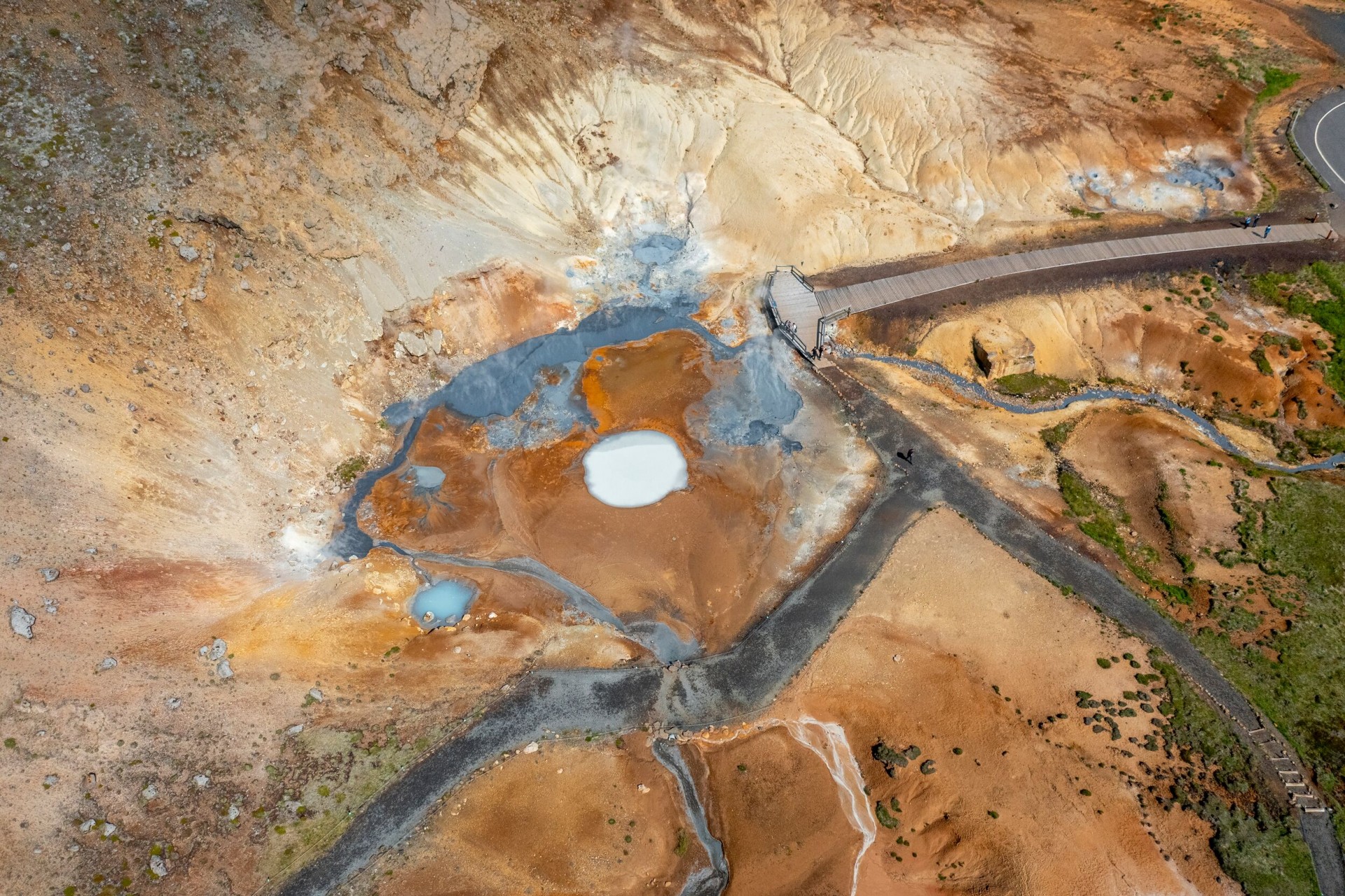
Seltún is one of the best places in Iceland to experience geothermal activity up close. Located on the Reykjanes Peninsula, this active geothermal area features bubbling mud pools, steaming vents, and colorful mineral deposits. It's an accessible stop where visitors can safely witness the powerful forces shaping Iceland's volcanic landscape up close.
First Impressions
The first thing you'll notice at Seltún is the steam rising from the ground. As you get closer, the distinct smell of sulfur becomes noticeable, followed by colorful hillsides streaked with mineral deposits. Bubbling mud pools and steaming vents complete the scene, offering an immediate glimpse into Iceland's active geothermal landscape.
Although the landscape may look quiet at first, it's constantly changing beneath the surface. Seltún lies on the fissure zone of the Mid-Atlantic Ridge. This ongoing tectonic activity allows steam to escape through underground vents, keeps mud pools bubbling, and gradually reshapes the landscape.
The Vibrant Colors of Seltún Hot Springs
Once you're past the first wave of steam and sulfur, the colors are what really hold your attention. Bright yellow sulfur, deep red iron, orange clay, and white silica create striking contrasts against the surrounding black lava rock.
These colors come from minerals brought to the surface by hot groundwater. As the water cools and evaporates, different minerals settle on the ground. Over time, they create the colorful patterns that make Seltún one of the most photographed geothermal fields in Iceland.
The colors also change depending on the weather. Sunshine brings out the vibrant mineral colors, while rain makes them appear richer and more defined. In winter, the snow-covered hills provide a dramatic contrast, making the colorful geothermal landscape even more striking.
Photography enthusiasts often find the best lighting early in the morning or later in the afternoon. This is when softer sunlight highlights both the colorful ground and the steam rising from the vents.
The Sulfur Smell of Seltún Hot Springs
Before visitors even reach the boardwalk, they often notice a strong sulfur smell in the air. This distinctive scent is caused by hydrogen sulfide gas released naturally through Iceland's geothermal system.
Many visitors compare the smell to rotten eggs. While it may be surprising at first, it's completely normal in active geothermal areas throughout Iceland. Most people become accustomed to it within a few minutes.
The intensity can vary depending on the weather and wind direction. You may notice only a faint smell in some parts of the trail. Meanwhile, areas closer to the steaming vents often have a stronger sulfur scent.
Bubbling Mud Pots and Boiling Pools
The bubbling mud pools are among the highlights of the Seltún Geothermal Area. These constantly moving pools form when hot groundwater, volcanic gases, and fine clay sediments interact beneath the surface.
Instead of clear water, the pools contain thick gray mud that constantly bubbles as gases escape. Some bubbles gently break the surface, while others burst with enough force to send mud splashing into the air. If you stop and listen, you'll also hear soft popping and gurgling sounds around the pools.
No two mud pots behave exactly alike. Some bubble steadily, while others alternate between quiet periods and sudden bursts of activity. Their size, shape, and appearance also change over time as underground conditions shift.
You can safely observe the mud pots from the designated boardwalks and viewing platforms.
Important: Stay on the marked paths at all times. The ground surrounding the pools can be extremely hot (80–100°C or 176–212°F) and unstable, even if it appears solid.
Steam Vents and Fumaroles
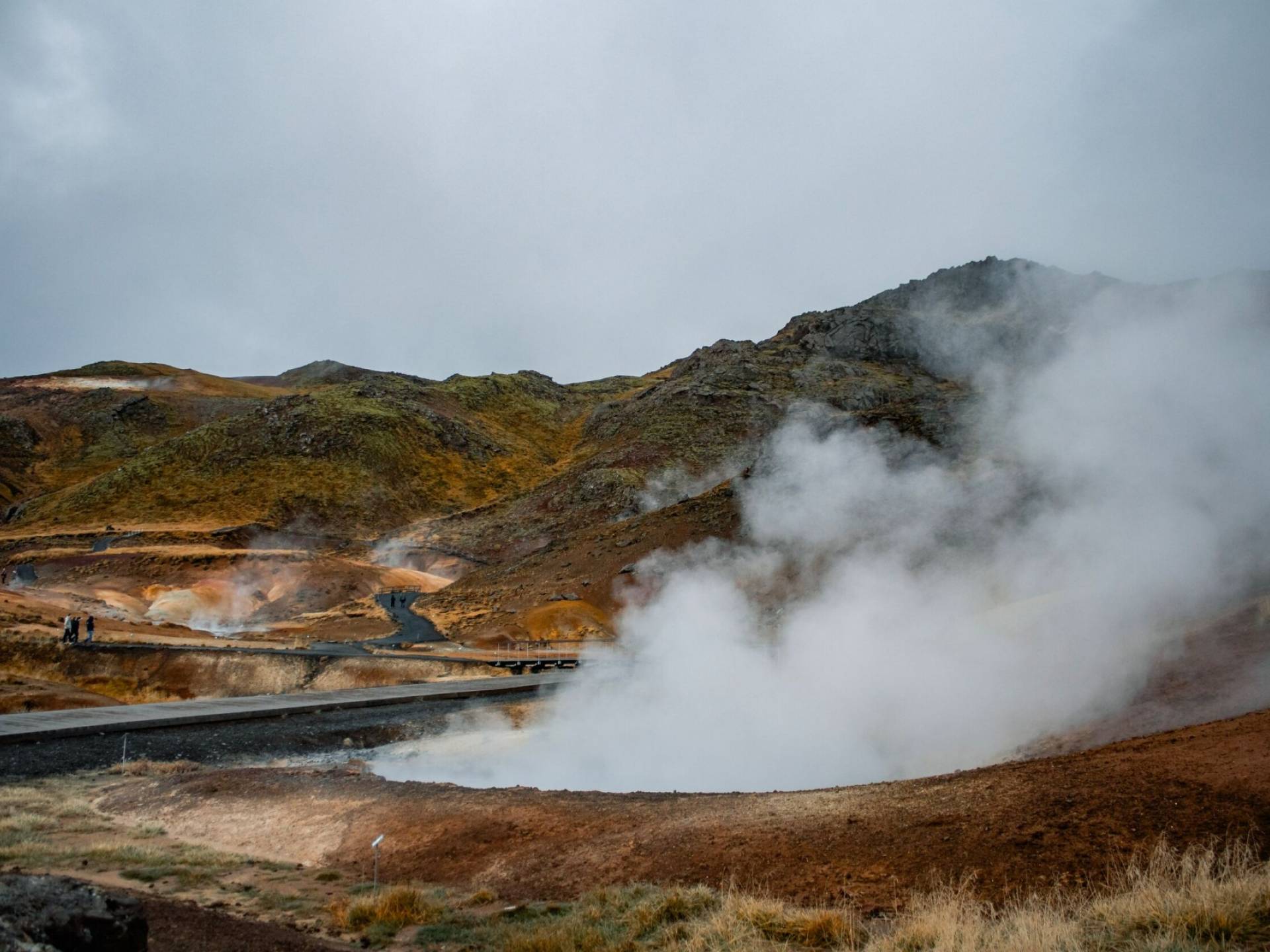
Steam vents, also known as fumaroles, are another defining feature of Seltún. These natural openings release steam and volcanic gases from deep beneath the Earth's surface.
Some fumaroles produce gentle wisps of steam, while others release thick clouds that drift across the landscape. On cooler days, the steam is often more visible, adding another layer to the colorful geothermal scenery.
As you walk along the boardwalk, you may pass through light clouds of steam before reaching the next viewpoint.
Tip: If you wear eyeglasses, apply an anti-fog spray, gel, or wipe before your visit. Steam from the geothermal vents can cause your lenses to fog up.
Hiking Trails Around Seltún
There are two main ways to explore Seltún on foot. The boardwalk loop brings you close to the area's geothermal features. Meanwhile, the trail to Hverafjall Hill offers panoramic views of the surrounding landscape and nearby Kleifarvatn Lake.
Seltún Geothermal Area Boardwalk Loop
The Seltún boardwalk loop is the easiest way to explore the geothermal area. Wooden pathways and viewing platforms guide visitors through the heart of the geothermal field while protecting the fragile landscape.
Quick overview:
Difficulty: Easy
Distance: 1.8 km (1.1 mi)
Walking time: 20–40 minutes
Trail surface: Well-maintained wooden boardwalk with some stairs
The walk takes between 20 and 40 minutes, depending on how often you stop for photos or to admire the scenery. Along the route, you'll pass bubbling mud pools, boiling pools, steaming vents, and colorful mineral deposits from a safe distance.
Several viewing platforms provide excellent vantage points for observing the geothermal activity. There are also informational signs along the boardwalk that explain the area's geothermal features.
Note: The boardwalk is suitable for most visitors, although some sections include stairs and uneven surfaces. Wear sturdy shoes, especially if you're visiting after rain or during winter when the boardwalk can become slippery.
Seltún to Hverafjall Hill Hike
If you'd like a higher vantage point, continue from the Seltún parking area along Route 42 toward Hverafjall Hill. The route begins by following part of the boardwalk before branching off onto a short but steep trail to the summit.
Quick overview:
Difficulty: Easy to moderate
Distance: 2.46 km (1.46 mi)
Walking time: About 1 hour round trip
Trail surface: Boardwalk followed by a steep gravel and dirt trail
The climb is brief but steady, making it suitable for most visitors with a reasonable level of fitness. If you plan to explore the entire boardwalk loop before heading uphill, allow extra time for your visit.
From the summit, you'll enjoy views across the Krýsuvík Geothermal Area, the surrounding lava fields, and Kleifarvatn Lake.
Note: As with any Icelandic hike, wear sturdy footwear and check weather conditions before setting out. Wind can become much stronger on exposed hillsides than within the geothermal valley.
A Glimpse Beneath the Surface: Hot Spring Snorkeling
Seltún reveals Iceland's geothermal activity above ground, and nearby Kleifarvatn Lake offers the opportunity to experience it beneath the surface.
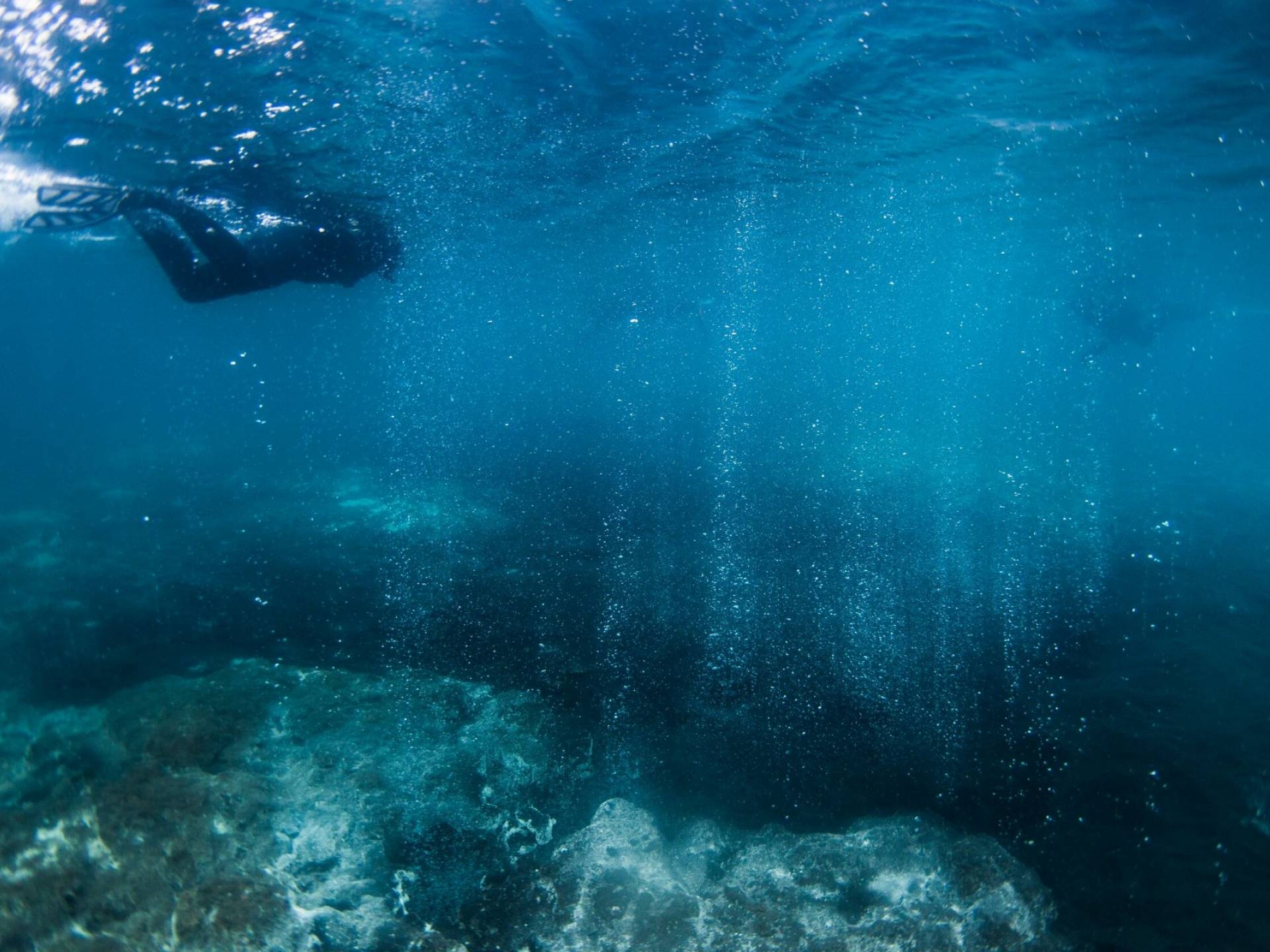
Located just a five-minute drive from Seltún, Kleifarvatn is one of Iceland's most unique freshwater dive and snorkel sites. The lake sits within the same volcanic system and features underwater geothermal vents where warm water rises through the lakebed.
One of the best things to do around Kleifarvatn is hot spring snorkeling.
The experience lets you swim above bubbling calderas, seeing white and yellow sulfur deposits similar to those at Seltún, but this time, underwater. You can even feel the gentle vibrations created by bubbles rising from the hot springs below. This sensation is often described as "snorkeling in a glass of Champagne."
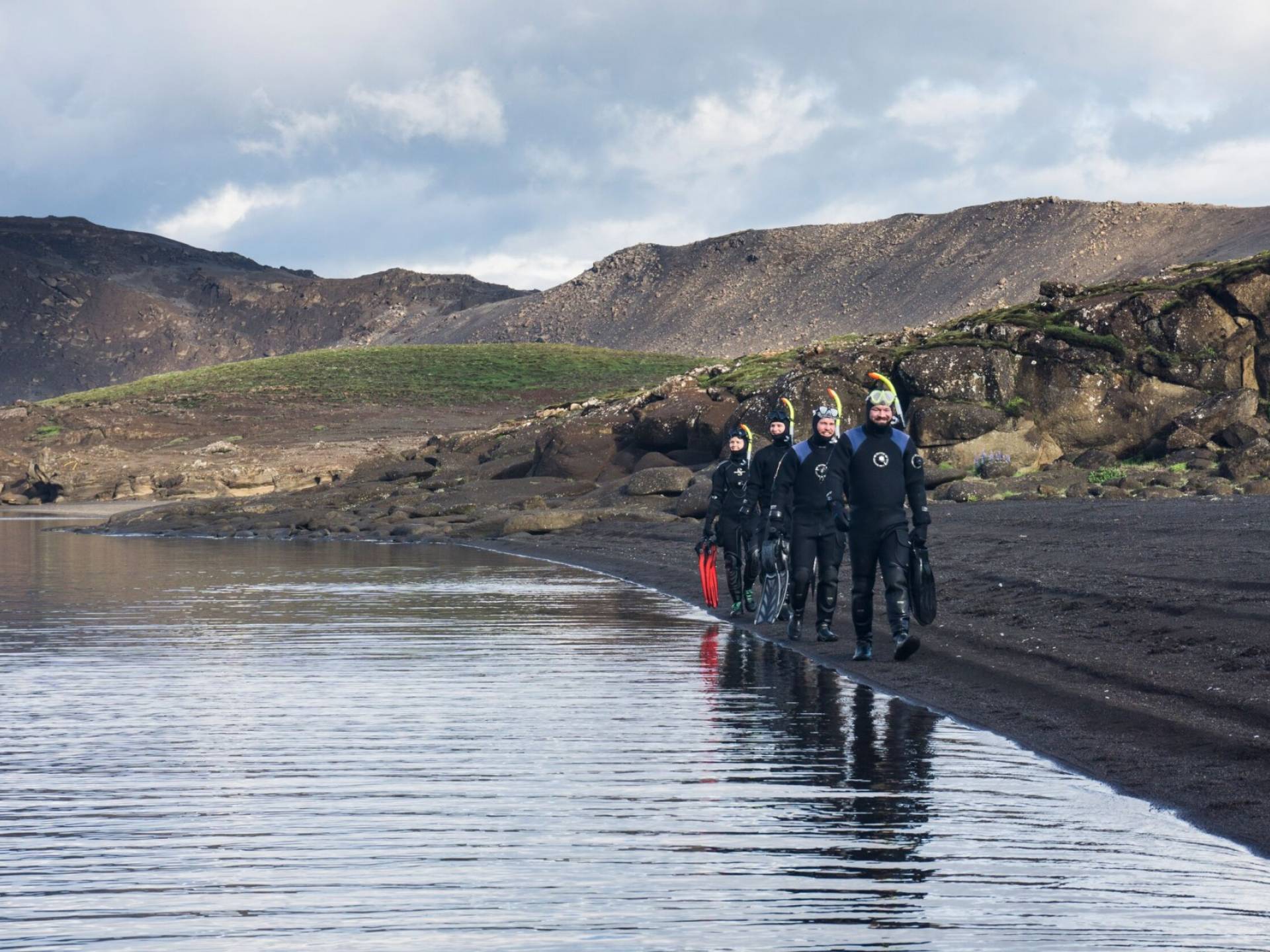
Even without prior experience, snorkeling at Kleifarvatn can be an enjoyable and memorable adventure. All Snorkeling tours in Iceland led by Dive.is have certified and highly experienced guides. Dive.is provides all the necessary equipment and a thorough safety briefing before you enter the water.
If you'd rather explore beneath the surface with tanks, diving tours in Icelandare also available. Throughout the experience, your guide will be there to support you, helping you explore the lake safely and confidently.
After exploring Seltún, witnessing the geothermal activity underwater offers a deeper appreciation of Iceland's volcanic landscape.
Summer vs Winter at Seltún Hot Springs:
Seltún is open year-round, but the landscape and visitor experience change noticeably between summer and winter.
Summer
Summer brings long daylight hours, making it easier to explore the boardwalk and hike to Hverafjall Hill at a relaxed pace. The surrounding hills become greener, while the colorful mineral deposits stand out under the bright sunlight.
It's also the best time to combine your visit with hot spring snorkeling at nearby Kleifarvatn Lake. The warmer weather makes spending time in and around the water even more enjoyable.
Winter
Winter offers a completely different experience. Snow blankets the surrounding hills, creating a striking contrast with Seltún's orange, yellow, and white mineral deposits. Steam rising from the geothermal vents is often more visible in the cold air, adding to the dramatic scenery.
Snow and ice can make the boardwalk and hiking trails slippery, so waterproof hiking boots with good traction are recommended. The weather on the Reykjanes Peninsula can also change quickly. So, dress in warm layers and bring waterproof outerwear regardless of the forecast.
The Surrounding Landscape: Nearby Attractions You Can Explore
Seltún is just one of the several geothermal and volcanic attractions on the Reykjanes Peninsula. If you have extra time, consider adding these nearby stops to your itinerary:
Kleifarvatn Lake: A volcanic lake known for its underwater hot springs. It's also one of the best places to try hot spring snorkeling or diving with Dive.is.
Fúlipollur: A small geothermal area with bubbling mud pots, steaming vents, and colorful mineral deposits. It's quieter than Seltún and offers another look at the peninsula's geothermal activity.
Grænavatn: A striking volcanic crater lake with vivid green water, caused by a mix of minerals and thermal algae. A short walk leads to viewpoints overlooking the crater.
Gunnuhver Hot Springs: One of Iceland's largest geothermal areas, featuring powerful steam vents, boiling mud pools, and elevated viewing platforms. The site is named after the Icelandic ghost, Gunna, and showcases geothermal activity on a much larger scale than Seltún.
Blue Lagoon: After exploring Seltún, unwind at one of Iceland's most famous geothermal spas. Its warm, mineral-rich waters provide a relaxing contrast to the active geothermal landscapes found elsewhere on the Reykjanes Peninsula.
Most of these attractions are within a short drive of one another. This makes them easy to combine into a scenic day trip from Reykjavík.
See the Earth Alive at Seltún Geothermal Area
Few places in Iceland showcase the country's volcanic energy as clearly as Seltún. Every bubbling mud pot, steaming vent, and colorful hillside offers visible evidence of the geothermal forces working beneath the surface.
Whether you're walking the boardwalk or hiking above the geothermal valley, Seltún offers an unforgettable look at Iceland's living landscape. You can also continue to the nearby Kleifarvatn Lake. There, you can experience the same geothermal system from beneath the surface through diving tours in Iceland with Dive.is.
Accessible, easy to explore, and rich in geological wonders, Seltún remains one of the Reykjanes Peninsula's most rewarding natural attractions.