Krýsuvik Geothermal Area on Reykjanes Peninsula
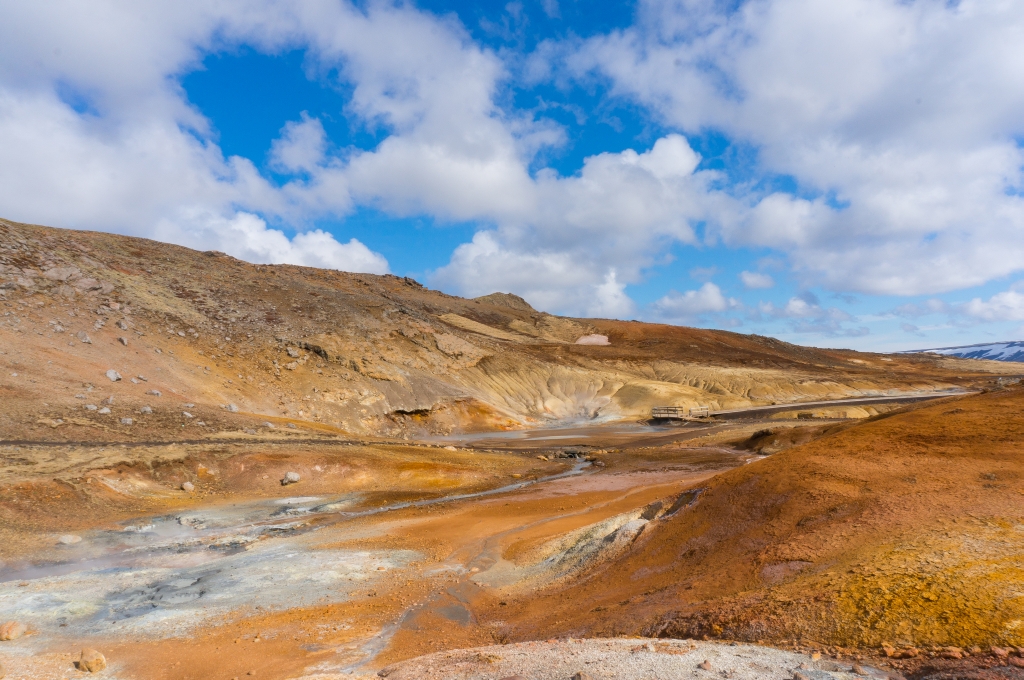
Krýsuvík is one of the most accessible and rewarding geothermal areas on the Reykjanes Peninsula. It offers visitors a close look at Iceland’s volcanic activity, with steaming vents, bubbling mud pots, and colorful mineral deposits. Unlike the Blue Lagoon, Krýsuvík isn’t a bathing destination. Instead, it’s a natural geothermal area where you can see, hear, and even smell the powerful forces beneath Iceland’s surface.
For travelers exploring the Reykjanes Peninsula, Krýsuvík is a worthwhile stop. It’s scenic, easy to reach from Reykjavík, and simple to combine with nearby attractions. Whether you’re looking for a quick roadside stop or a longer outdoor adventure, the area offers plenty to discover.
In this guide, you’ll learn where Krýsuvík is located, what to see, how to get there, and the best time to visit. We’ll also cover nearby attractions and important safety tips to help you make the most of your visit. So, shall we?
Quick Facts About Krýsuvík Geothermal Area
Location: Reykjanes Peninsula, Southwest Iceland
Main Area: Seltún geothermal field
Distance from Reykjavík: About 40 km (25 miles)
Driving Time from Reykjavík: Around 40–50 minutes
Best Known For: Mud pots, fumaroles, colorful mineral deposits, hot springs, and hiking trails
Entrance Fee: Free
Parking: Paid parking available near Seltún
Typical Visit Length: 30 minutes to 2 hours
Best For: Road trips, photography, geology enthusiasts, and short walks
Where is the Krýsuvik Geothermal Area?
Krýsuvík is located in southwest Iceland on the Reykjanes Peninsula. It sits south of Reykjavík, near Lake Kleifarvatn and Route 42. The area is part of a larger volcanic and geothermal system that stretches across the peninsula.
Krýsuvík is close enough to Reykjavík for a half-day trip. But it also works well as part of a full Reykjanes Peninsula itinerary. Many travelers combine it with other Reykjanes Peninsula attractions, such as Lake Kleifarvatn, Blue Lagoon, or Gunnuhver Hot Springs.
The Geology Behind the Landscape of Krýsuvik
Krýsuvík is part of Iceland’s active volcanic landscape. The Reykjanes Peninsula sits along the Mid-Atlantic Ridge, where the North American and Eurasian tectonic plates are slowly moving apart. This movement creates fractures in the Earth’s crust and allows heat from below to influence the surface.
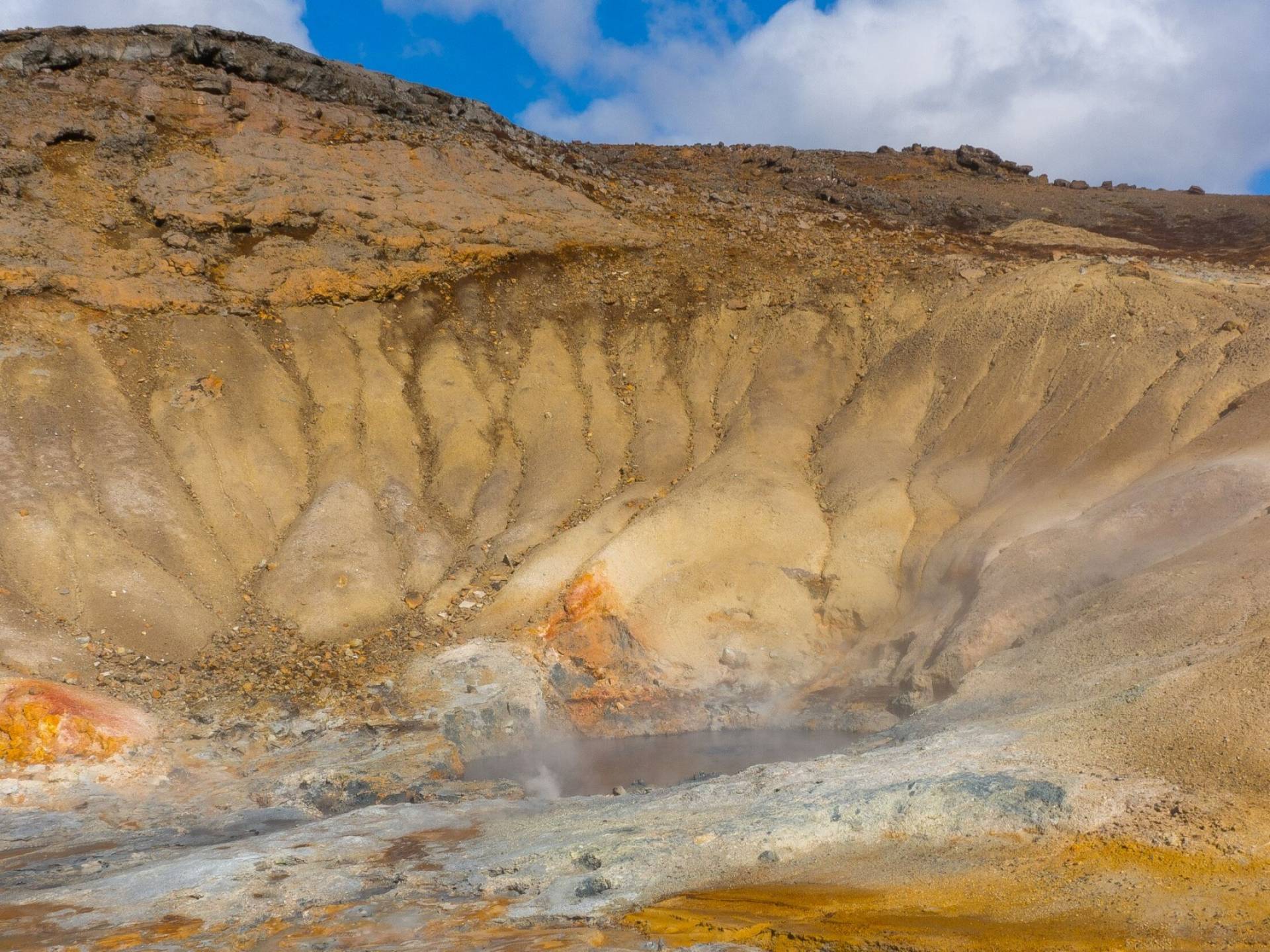
At Krýsuvík, water seeps underground, heats up, and rises again through cracks and geothermal channels. When it reaches the surface, it appears as steam vents, mud pots, hot springs, and warm mineral-rich ground.
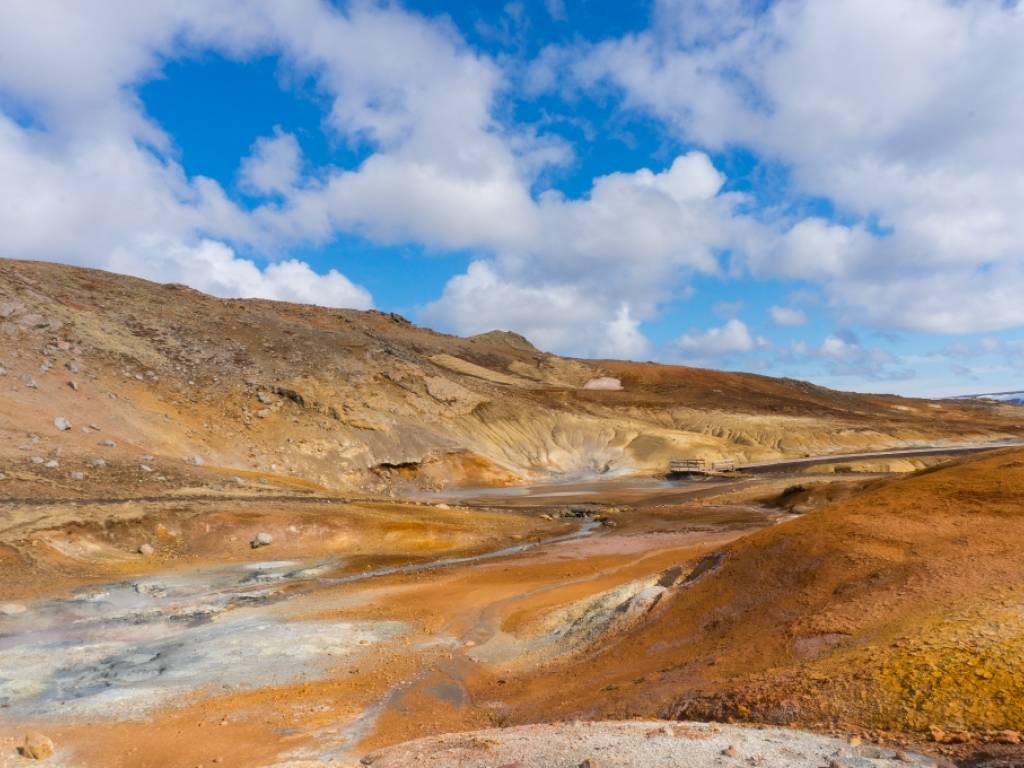
The colors at Krýsuvík come from minerals and geothermal alteration. Yellow tones often come from sulfur. Red and orange shades are linked to iron-rich minerals. White, gray, and pale green areas can appear where clay and silica-rich deposits form.
This is why the landscape looks so varied in a small area. You may see steaming slopes, bubbling mud, and bright mineral patches all within a short walk.
It’s also why visitors need to stay on marked paths. Geothermal ground can be thin, unstable, and extremely hot beneath the surface. What looks like solid earth may be a fragile crust over boiling water, steam, or mud.
Top Attractions in Krýsuvík Geothermal Area
Krýsuvík isn’t just one single viewpoint. It includes several geothermal features and nearby natural landmarks. The main places to explore are:
Seltún: The main visitor area, with boardwalks, steaming vents, colorful hills, mud pots, and easy parking.
Fúlipollur: A notable geothermal pool in the wider Krýsuvík area. Its name roughly refers to a “foul-smelling pool,” a reminder of the strong sulfur smell common in active geothermal zones.
Hverahlíð: Features hot springs at the southern side of Lake Kleifarvatn. It’s less developed for casual visitors than Seltún, but it adds to the region’s geological interest.
For most travelers, Seltún will be the main stop. It offers the easiest access, the clearest walking route, and the best introduction to the area’s geothermal activity.
Exploring the Seltún Geothermal Area
Seltún is the highlight of Krýsuvík and the reason most visitors come here. It’s a compact but impressive geothermal field where you can safely walk through an active landscape on designated paths.
The first thing you may notice is the smell of sulfur. This is normal in geothermal areas and is often described as similar to rotten eggs. The smell is very noticeable, but it’s usually manageable during a short visit.
From the parking area, boardwalks and marked paths guide you through the site. There are also informational boards you can check out during your visit. Along the way, you can see steaming fumaroles, bubbling mud pots, colorful slopes, and small hot springs. The terrain changes quickly, and the steam gives the area a dramatic look even on cloudy days.
Seltún is especially good for photography. The colors are strong, the steam adds movement, and the surrounding hills provide a rugged backdrop. Overcast weather can actually be helpful. It reduces harsh glare and brings out the reds, yellows, greens, and grays in the mineral deposits.
A short visit may take 30 minutes. If you want to take photos, read signs, and walk slightly higher for wider views, allow 60–90 minutes.
Accessibility & Hiking Around Krýsuvik
Krýsuvík is one of the easier geothermal areas to visit on the Reykjanes Peninsula, but accessibility varies by section.
At Seltún, parking is close to the geothermal field. The main boardwalk makes it possible to see the key features without a long hike. However, surfaces can be uneven, slippery, or affected by weather. Snow, ice, rain, and wind can make the area more challenging.
Visitors with limited mobility may be able to enjoy parts of the main viewing area. However, the full route may not be suitable for all wheelchairs or strollers. Conditions can change, so it’s best to assess the path on arrival.
For hikers, the surrounding hills and ridges offer wider views over the geothermal area and nearby landscapes. Trails may be narrow, muddy, or steep in places. Good shoes are recommended, even for short walks.
Important: Do not leave marked paths to get closer to steam vents or mud pools. The ground in geothermal areas can be unstable and dangerous.
Facilities Around Krýsuvik Geothermal Area
While facilities at Krýsuvík are limited, visitors will find the essentials near the main attractions:
Parking: A paid parking lot is available next to the Seltún geothermal area. Payment can be made through the EasyPark or Parka app. Free parking is also available at Fúlipollur and Lake Grænavatn.
Toilets: Public restrooms are located near the parking area at Seltún.
There are no restaurants, cafés, or visitor centers on-site. So, it's a good idea to bring water and any supplies you may need for your visit.
How to Get to Krýsuvik Geothermal Area
Krýsuvík is easiest to reach by car or guided tour. Public transportation is limited, so planning ahead matters.
By car
Driving is the most convenient way to visit Krýsuvík. From Reykjavík, the trip usually takes around 40–50 minutes, depending on traffic, weather, and route.
Most visitors drive toward Hafnarfjörður and continue onto roads leading toward Lake Kleifarvatn and Route 42. The drive is scenic, with lava fields, mountains, lake views, and open Reykjanes landscapes along the way.
Paid parking is available near Seltún.
By guided tour
A guided tour is a good option if you don’t want to rent a car or drive in Icelandic weather. Tours around Reykjanes Peninsula may include Krýsuvík, Lake Kleifarvatn, Gunnuhver Hot Springs, coastal viewpoints, and other geological stops.
A guided experience can also add context. Krýsuvík is much more interesting when you understand the tectonic setting, geothermal activity, and safety considerations.
If you want a stress-free visit, look for a Reykjanes Peninsula day tour that specifically lists Krýsuvík in the itinerary.
Best Time to Visit the Krýsuvik Geothermal Area
Krýsuvík can be visited year-round, but each season offers a different experience:
Summer (June–August): Long daylight hours, milder temperatures, and easier driving conditions make summer one of the most popular times to visit. It’s ideal for combining Krýsuvík with hiking, photography, and other attractions around the Reykjanes Peninsula.
Fall (September–October): Fall brings quieter trails and excellent photography opportunities. The combination of steam, changing weather, and softer light often enhances the area's dramatic appearance.
Winter (November–March): Snow-covered hills and steaming geothermal features create a striking contrast. However, visitors should be prepared for icy paths, reduced visibility, and potentially challenging road conditions.
Spring (April–May): Spring offers fewer crowds and gradually improving weather conditions. The contrast between emerging greenery and the colorful geothermal landscape can make this a rewarding time to visit.
Photography tip: Early morning and late afternoon typically provide the best lighting conditions. If you prefer a quieter experience, consider visiting outside peak midday hours, especially during the summer season.
Nearby Attractions from Krýsuvik Geothermal Area
Krýsuvík is easy to combine with several nearby attractions. These stops can turn a short geothermal visit into a full Reykjanes Peninsula day trip.
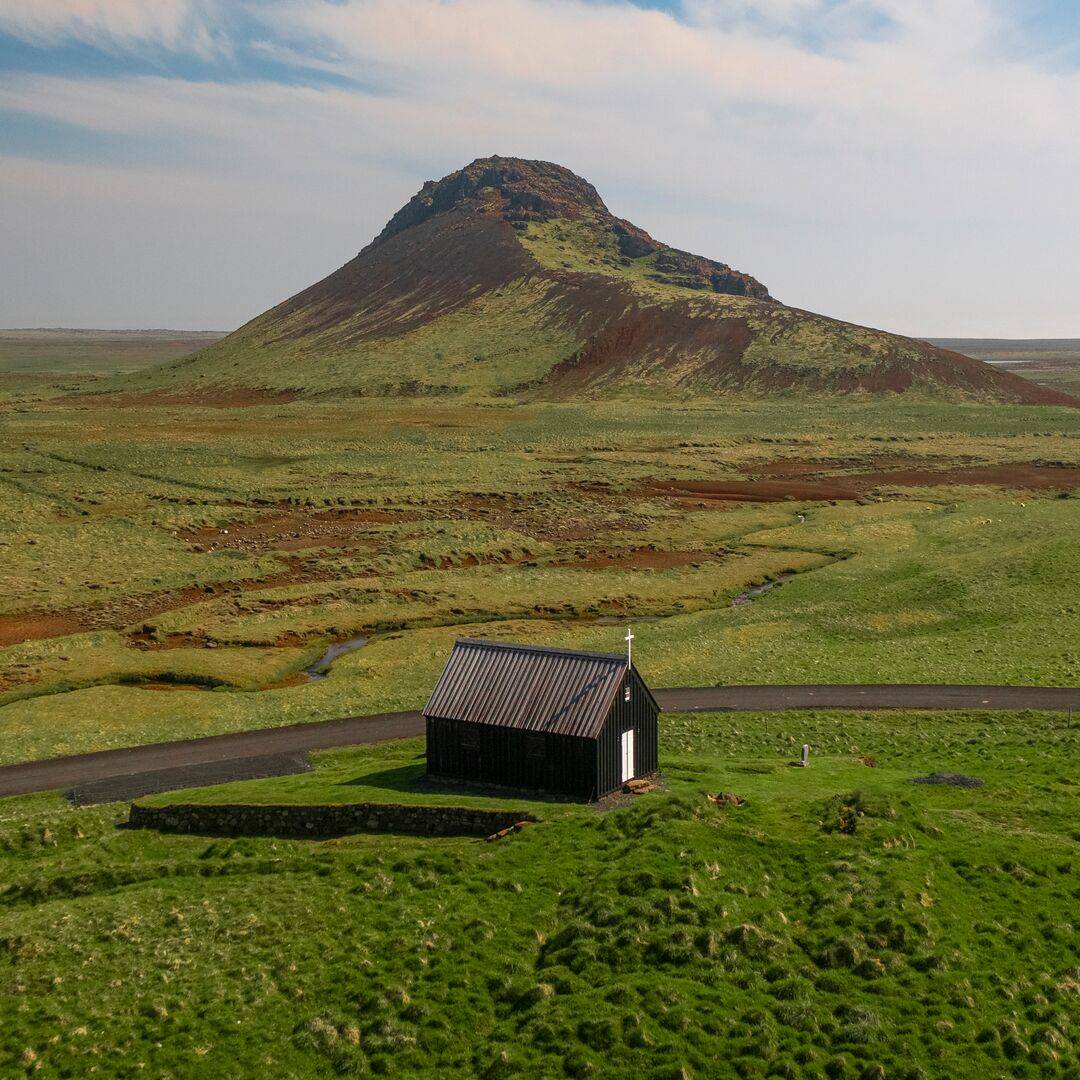
1. Krýsuvíkurkirkja
Krýsuvíkurkirkja is a traditional Icelandic wooden church known for its black exterior and white trim. The original church was built in 1857 but was destroyed in a fire in 2010. A replica was later rebuilt on the same site, preserving its status as a protected heritage landmark.
Located near the Krýsuvík, the church is easy to spot from the road when driving inland from the coast. It makes a worthwhile stop for visitors interested in Icelandic history and architecture.
2. Lake Grænavatn
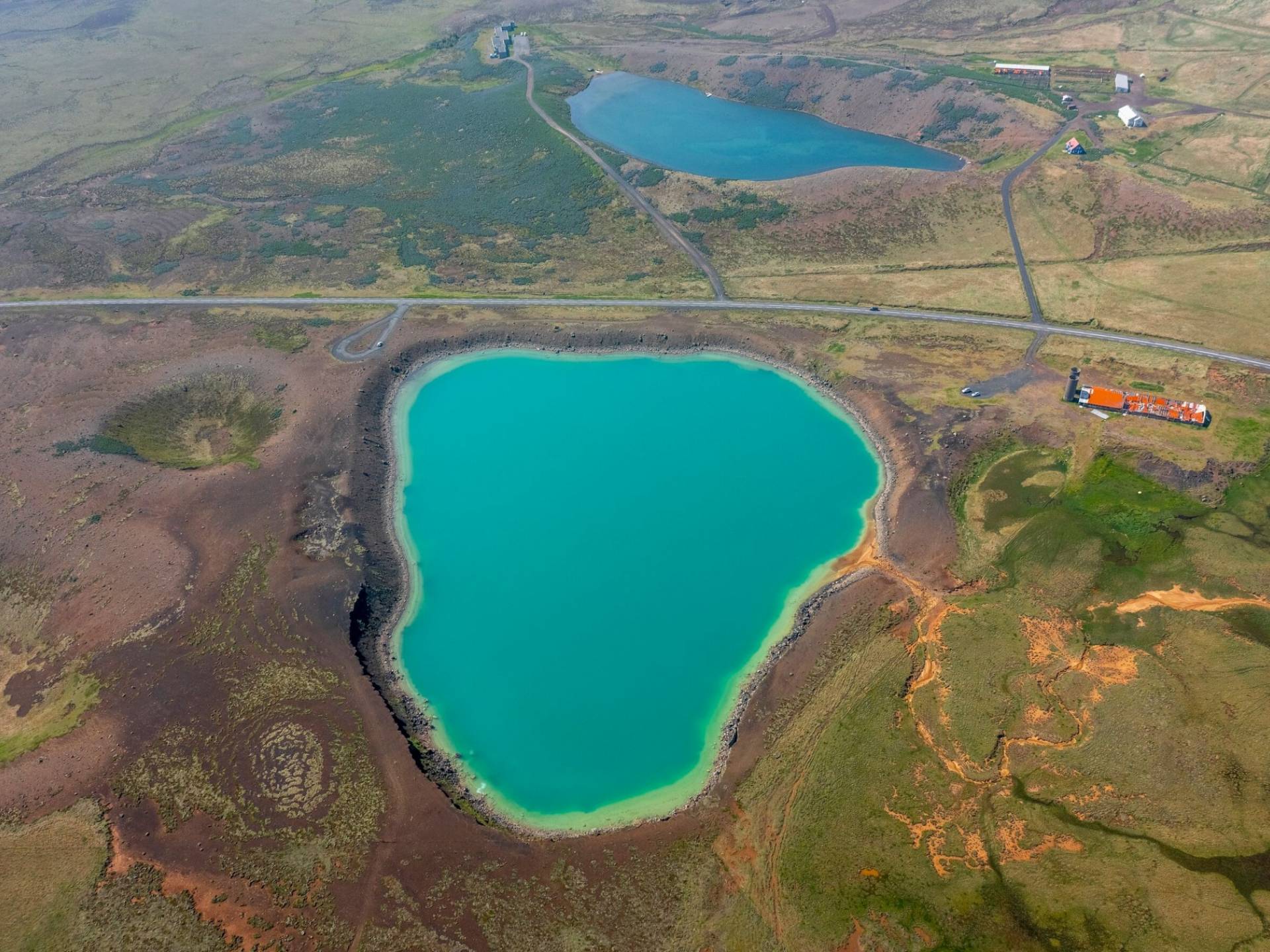
Lake Grænavatn is a small volcanic crater located south of Krýsuvík. Its name means "Green Lake," referring to the lake's distinctive green color, which comes from minerals in the water.
It’s an easy and worthwhile stop before or after visiting Seltún, especially for travelers interested in geology and unique landscapes. As always, stay on marked paths and avoid walking near unstable slopes around the crater rim.
3. Lake Kleifarvatn
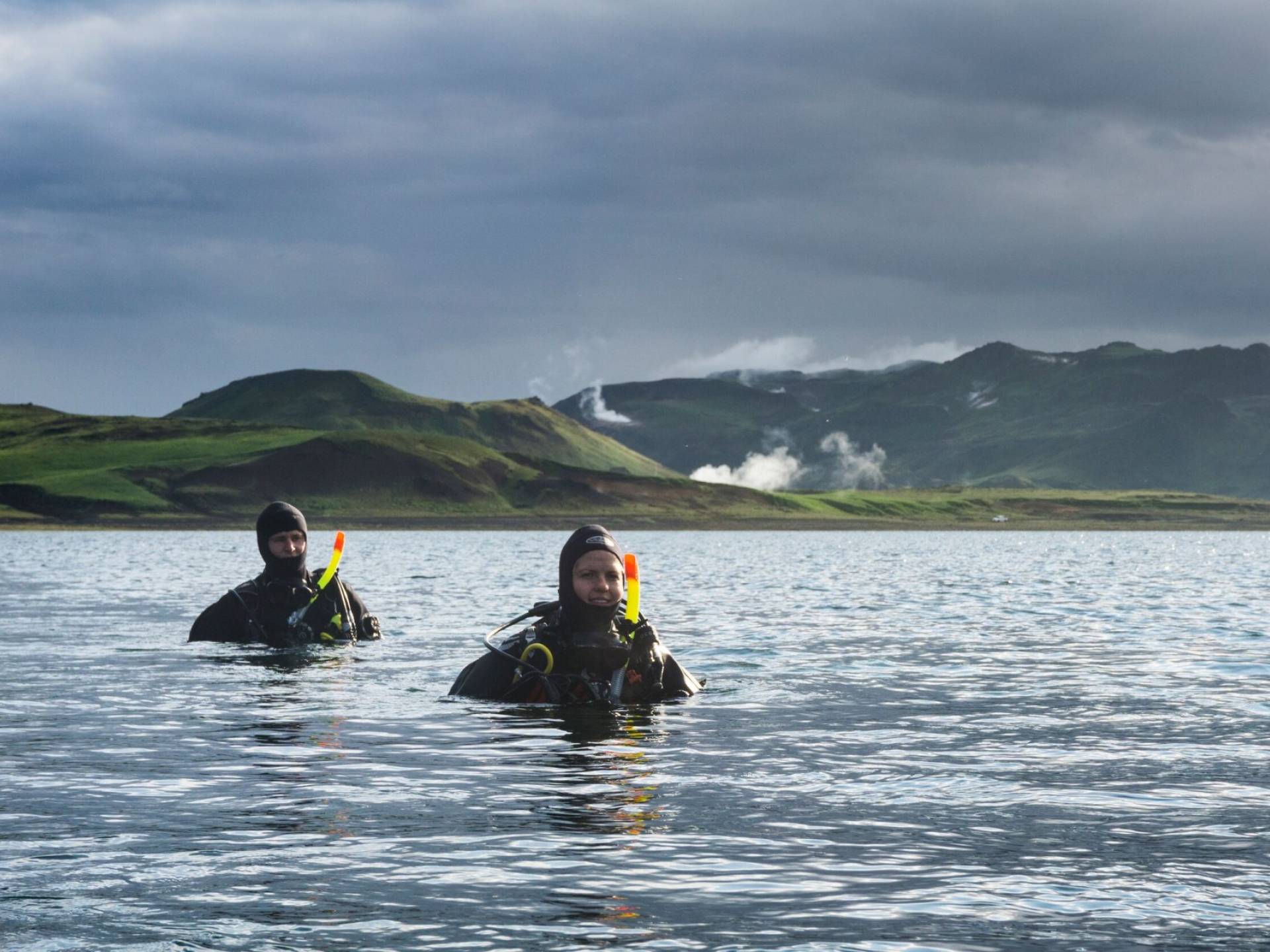
Lake Kleifarvatn is one of the most impressive natural landmarks near Krýsuvík. It’s the largest lake on the Reykjanes Peninsula and one of the deepest in Iceland, surrounded by rugged volcanic landscapes.
During summer, the lake attracts anglers hoping to catch its famously large brown trout and Arctic char. In winter, parts of the lake may freeze, creating a completely different atmosphere.
Looking for more adventurous things to do around Kleifarvatn Lake? Guided snorkeling and diving tours in Iceland are available here, completely safe and enjoyable even for beginners. Unlike most lakes in Iceland, Kleifarvatn features underwater hot springs. Rising bubbles can even cause nearby rocks to vibrate slightly, creating a truly unique underwater experience.
Good to know: If you're comparing snorkeling in Silfra vs Kleifarvatn, the main difference is the environment. Silfra is famous for its crystal-clear visibility between two tectonic plates. Kleifarvatn, on the other hand, offers the rare opportunity to explore active underwater geothermal features.
If you're also interested in exploring Iceland's most popular snorkeling site, read our guide on Silfra snorkeling vs. Silfra diving.
4. Ögmundarhraun Lava Field
Ögmundarhraun is a vast lava field formed during a major volcanic eruption in 1151 AD. Its rough black lava, mossy surfaces, and open views make it a worthwhile stop for travelers interested in volcanic landscapes.
Scattered throughout the lava field are several kipukas, small patches of older land that escaped the lava flow. One of the most notable is Húshólmi, where the ruins of a medieval Krýsuvík farm can still be seen. Nearby, visitors can also find the remains of Selatangar, a historic fishing outpost abandoned in the late 19th century.
Important: When exploring the area, stay on marked paths and avoid walking on moss-covered lava. Icelandic moss is extremely fragile and can take decades to recover from damage.
5. Krýsuvíkurberg Cliffs & Lighthouse
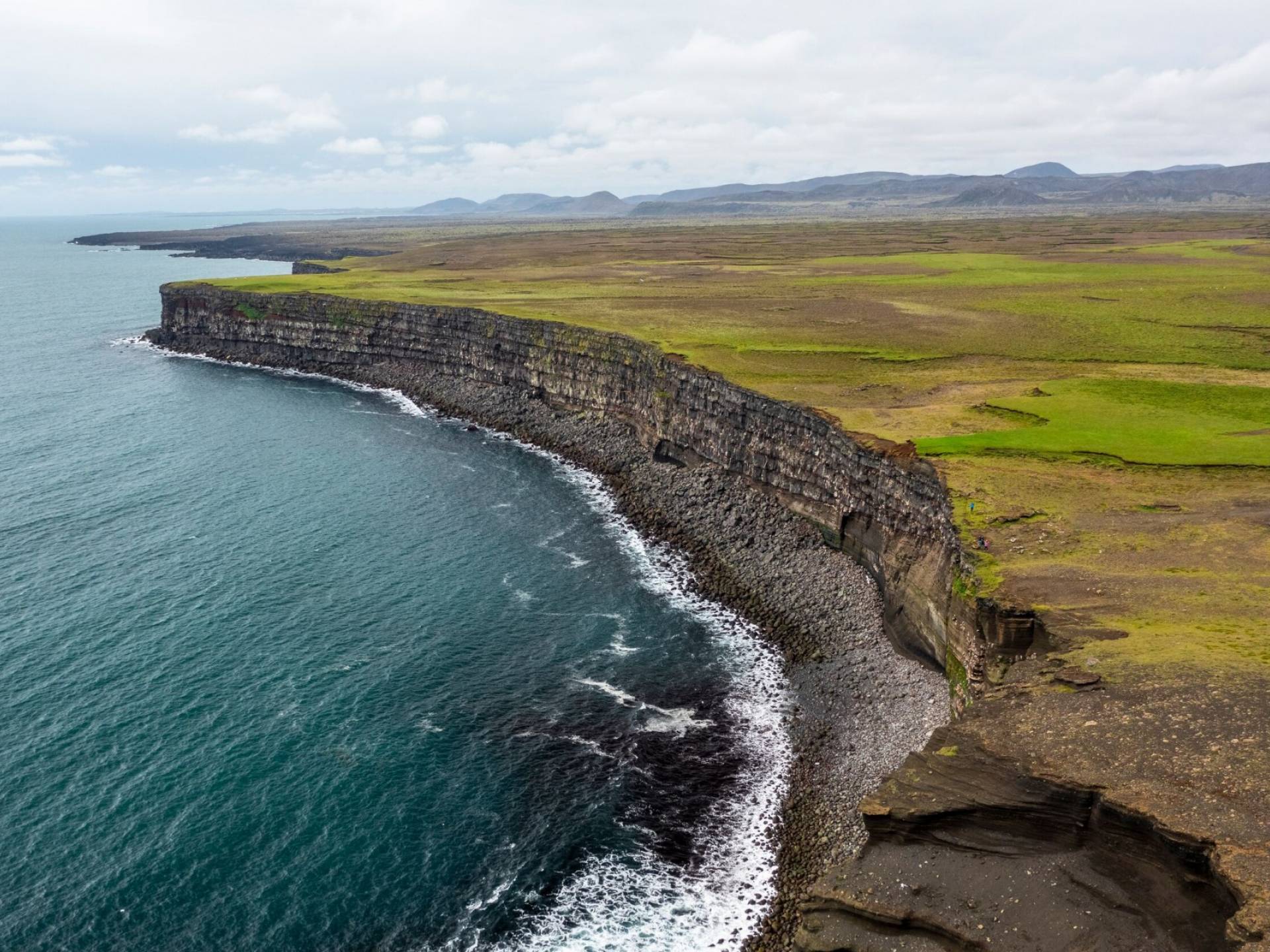
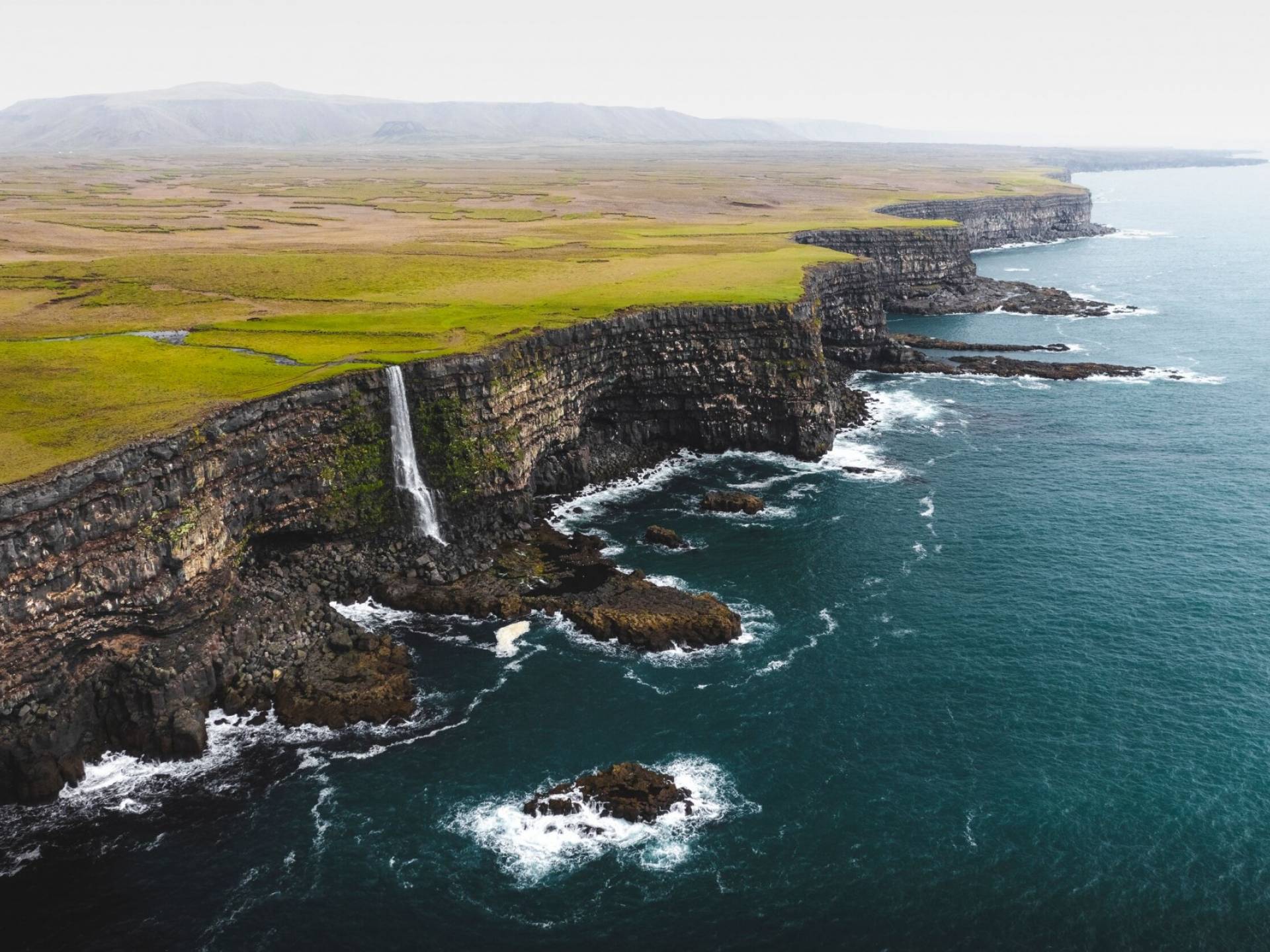
Krýsuvíkurberg is a long coastal cliff area south of Krýsuvík. It’s known for sea views, abundant birdlife, and dramatic cliffs facing the Atlantic Ocean. This stop is more remote than Seltún and may require more careful driving, depending on road conditions. In the right weather, it’s a beautiful place to experience the wilder side of the Reykjanes Peninsula.
The nearby Krísuvíkurberg Lighthouse also offers extended viewpoints.
Note: If you visit, keep a safe distance from cliff edges. Wind can be strong, and the ground near cliffs may be unstable.
Safety Tips and Reminders When Visiting Krýsuvik Geothermal Area
Krýsuvík is safe to visit when you follow basic geothermal safety rules. The main risks come from hot ground, boiling mud, steam vents, unstable surfaces, and fast-changing weather.
Keep these safety tips in mind:
Stay on marked paths: Use boardwalks and designated trails at all times. Do not step over ropes, barriers, or warning signs.
Do not touch geothermal features: Hot springs, mud pots, steam vents, and runoff water can cause serious burns.
Keep children close: The area may look open and easy to explore, but geothermal ground can be fragile and dangerous.
Wear sturdy footwear: Paths can be wet, muddy, icy, or uneven depending on the season.
Dress for changing weather: Bring windproof and waterproof layers, especially if you plan to explore nearby trails.
Check winter conditions: Roads and walking paths can be affected by snow, ice, wind, and poor visibility.
The geothermal features at Krýsuvík may look calm, but temperatures can be extremely high just below the surface. Always stay within safe viewing areas.
Experience the Geothermal Wonders of Krýsuvík
Krýsuvík is one of the best places on the Reykjanes Peninsula to experience Iceland’s geothermal power up close. From steaming vents to bubbling mud pools, the area showcases some of the country's most fascinating volcanic landscapes. Best of all, it's easy to reach and doesn't require a long hike or a full day to enjoy.
Combined with nearby experiences like snorkeling above hot springs in Iceland, Krýsuvík can be a rewarding day trip from Reykjavík. For travelers seeking a safe, scenic, and geologically rich destination, it is well worth adding to the itinerary.