Near the active volcano
Private Ocean and Lava Wreck dive combo
2 dive spots in this new combo in Reykjanes

The perfect private diving combo
Since the Bjarnagjá dive site is located near an active volcano, the area is sometimes closed due to volcanic activity. If the area is closed we will dive in a different dive spot.
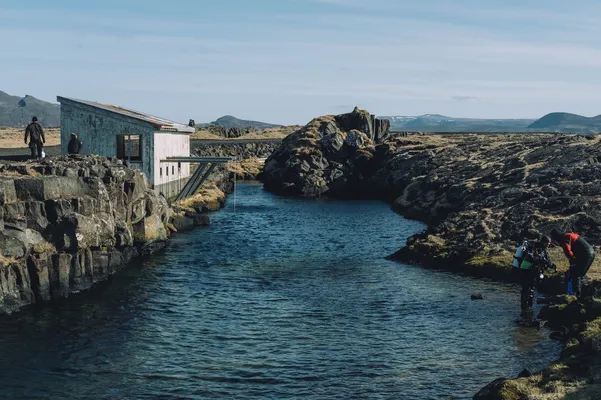
Join us on an Ocean dive in the North Atlantic and a fissure dive in salty and fresh water in Bjarnagja. This diving combo might just be for you if you would like to try something completely different. Both dive sites are located in the Reykjanes peninsula, about an hour drive from downtown Reykjavik.
The Reykjanes Peninsula, has been especially active, with eruptions in 2021, 2022, and 2023. These events are monumental, marking the first volcanic activity in the area in over 800 years. The peninsula is home to a divergent boundary where the North American and Eurasian tectonic plates meet, creating a hotbed of seismic and volcanic activity.
The recent eruptions have occurred in the Fagradalsfjall volcanic system, creating spectacular lava flows that have transformed the landscape. Just 15 km from the Fagradalsfjall eruption sites, the fishing town of Grindavík has faced challenges from both volcanic activity and frequent earthquakes. Although lava flows have not reached the town itself, the Icelandic government, in collaboration with local authorities, has taken precautionary steps to protect the community. A significant measure has been the construction of a series of defense walls, or “lava barriers,” around the town.
These walls are designed to redirect potential lava flows away from Grindavík should they approach. Made of gravel and basalt rocks, the walls create a physical barrier that slows and diverts lava in specific directions, minimizing the risk to homes, businesses, and infrastructure. This impressive engineering feat showcases Iceland’s proactive approach to living with the forces of nature, blending tradition and innovation to ensure safety without disrupting the flow of everyday life.
On this tour you will drive on a road built on new lava, there might even be smoke coming from the edge of the road. You will travel by the town of Grindavik so you will see these defence walls up close and witness the impressive scale of the new lava. You will also drive by the famous Blue Lagoon.
The structure of your tour depends on the tides and weater conditions that day. Our experienced guides will decide which dive spot you will first dive at shortly before your dive date.
Bjarnagjá fissure
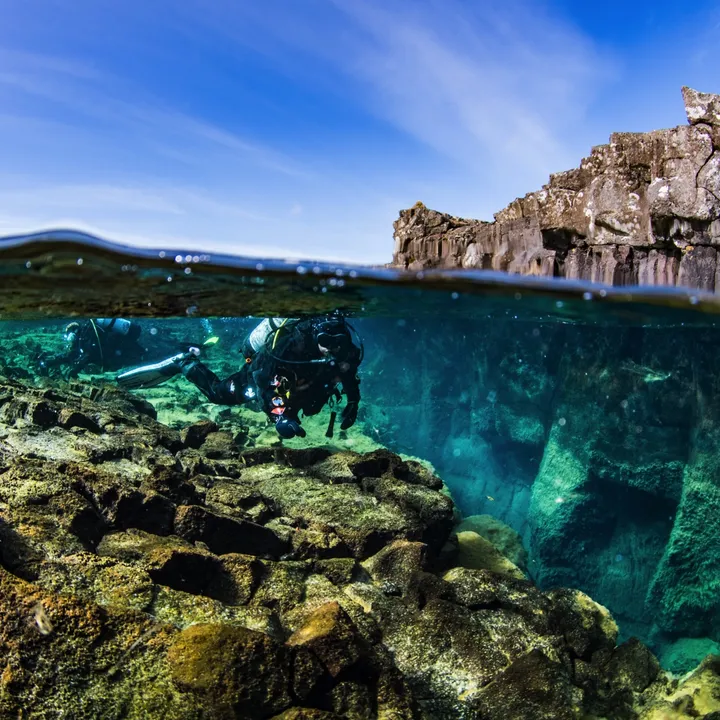
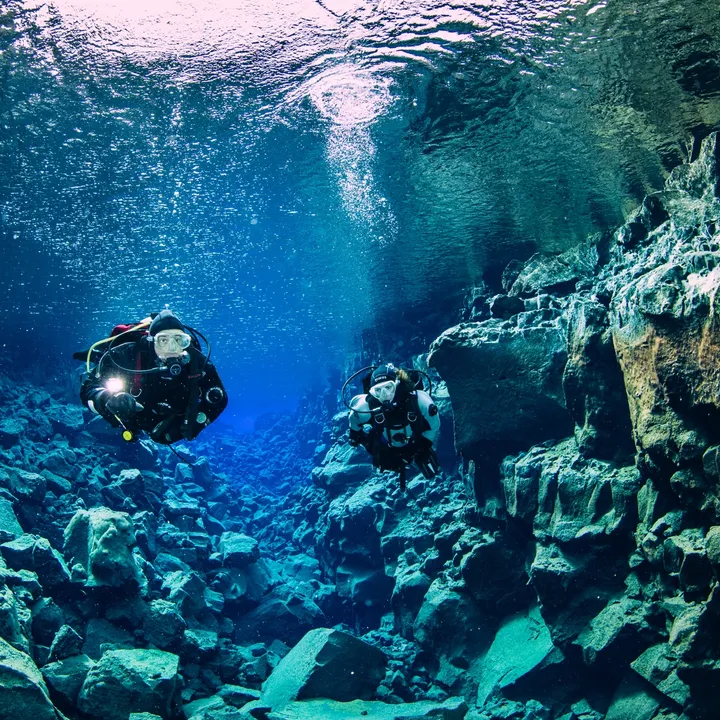
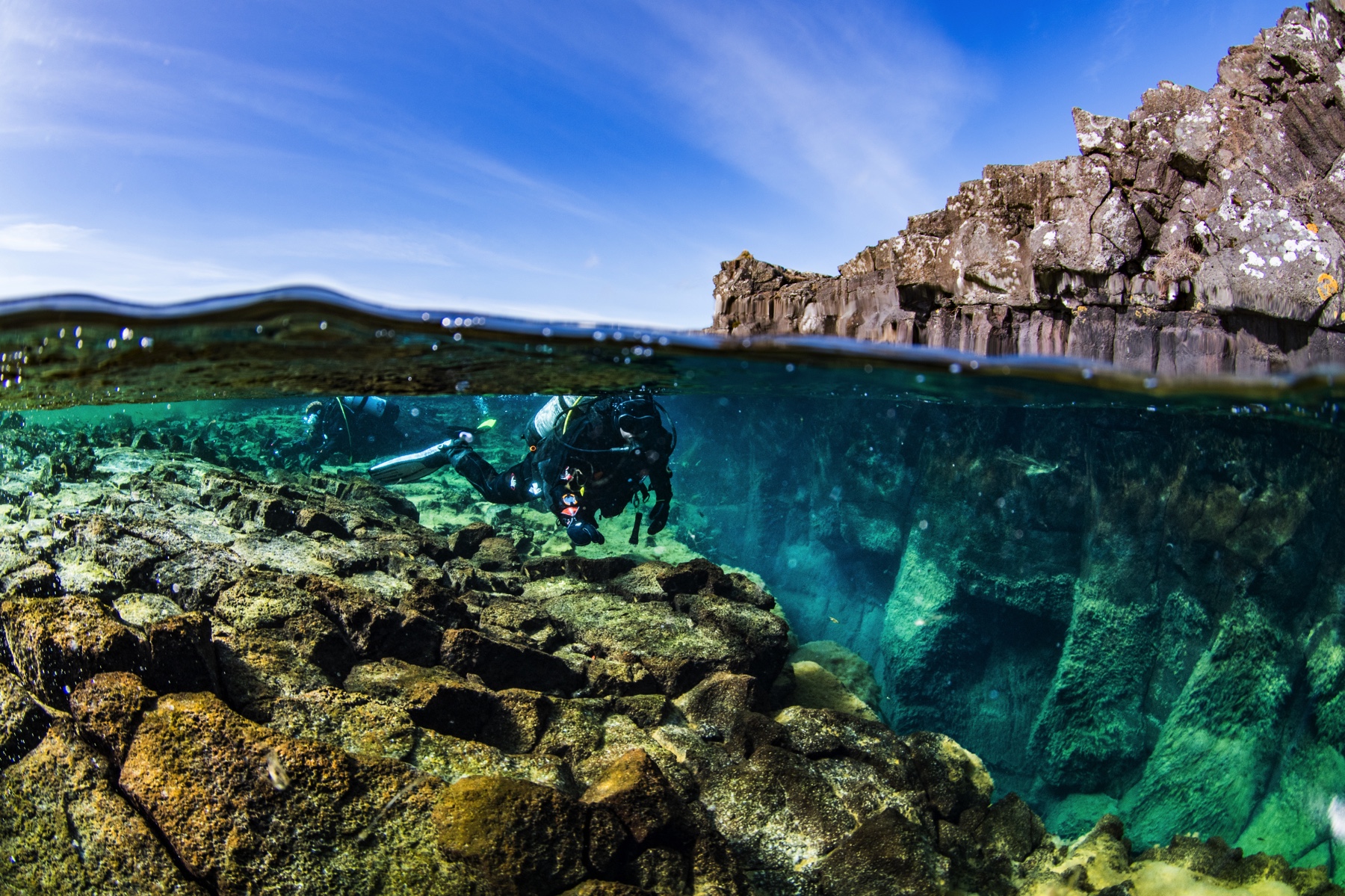
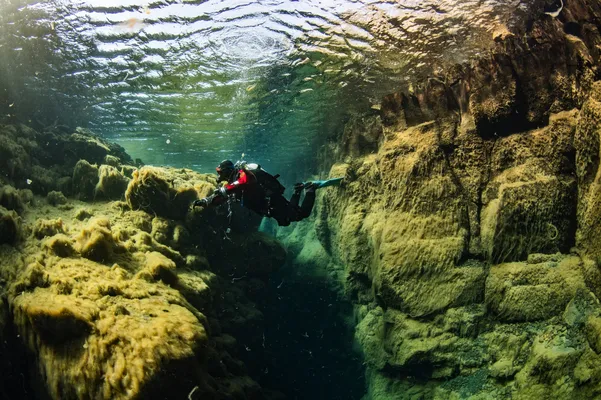
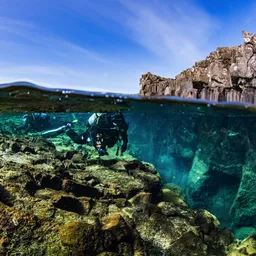
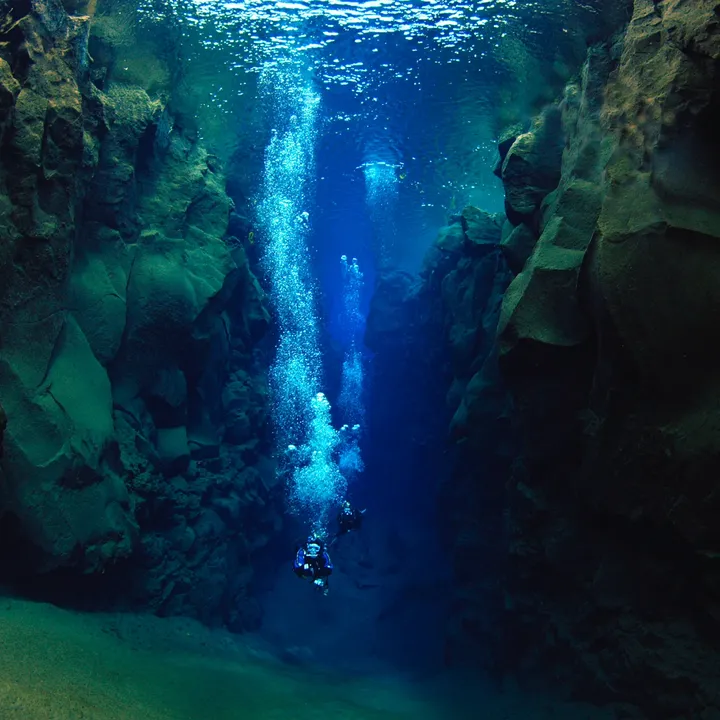
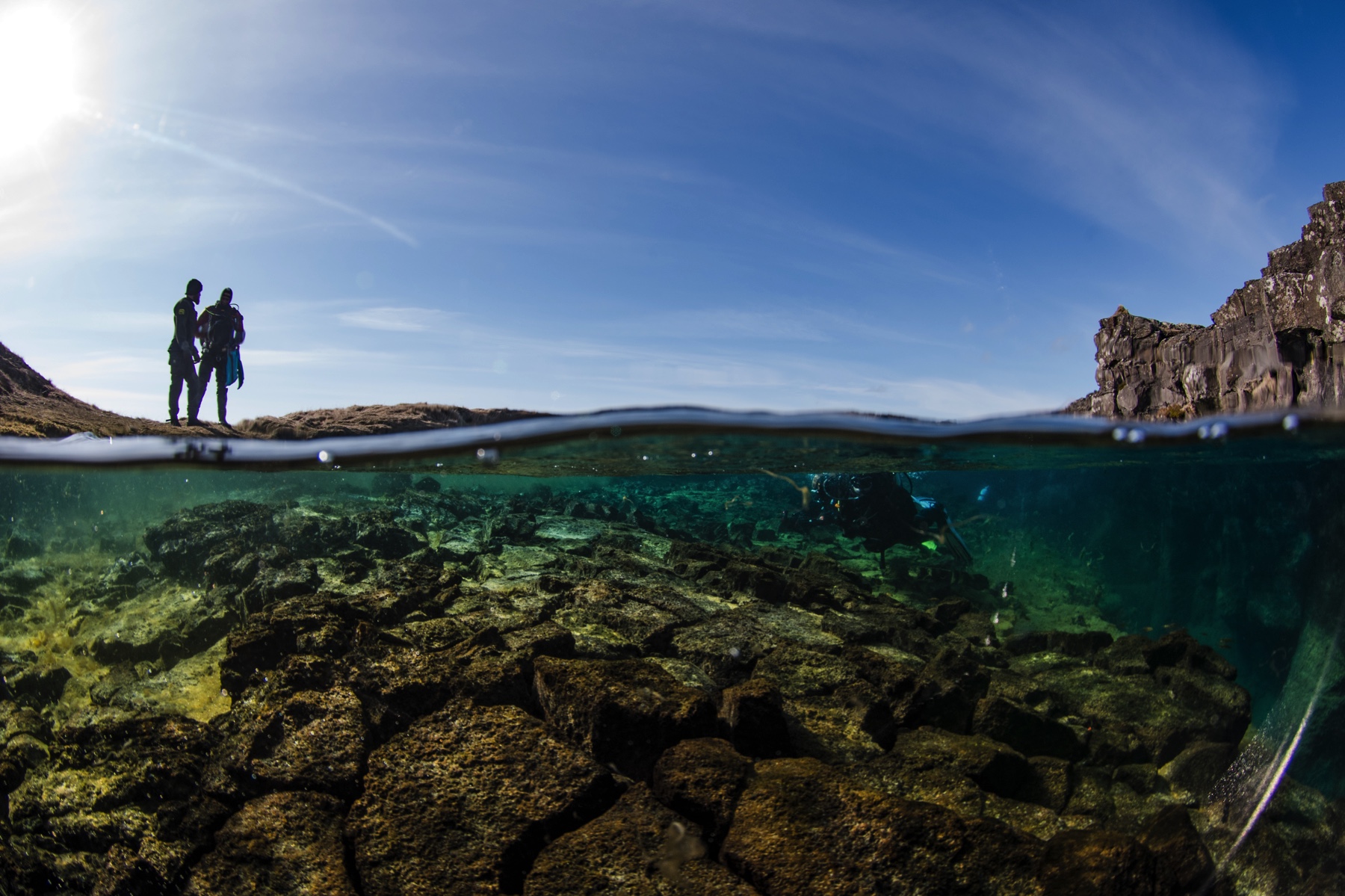
According to an older theory of continental drift, the Eurasian and North American continental plates shift and grind together in an endless clash of subterranean forces under a gaping rift at the tip of the Reykjanes peninsula in southwest Iceland. Bjarnagjá is an 18 m deep lava ravine on this very peninsula where the tectonic activity has caused Iceland to rise out of the ocean.
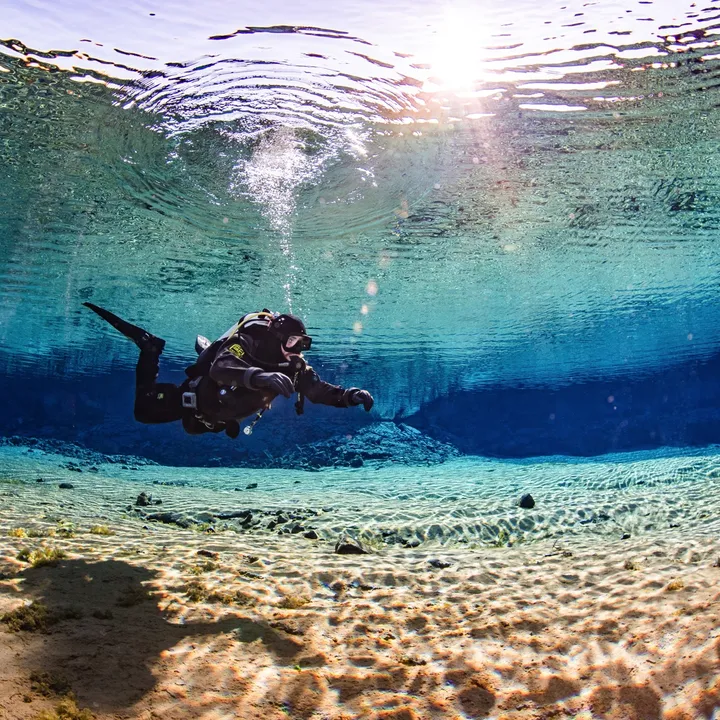
The water in Bjarnagjá is mostly fresh groundwater but it is influenced by the salinity of the sea as the rift is only few hundred meters from the coast. For those who have the appropriate level of training and diving experience this site offers dives in an overhead environment.
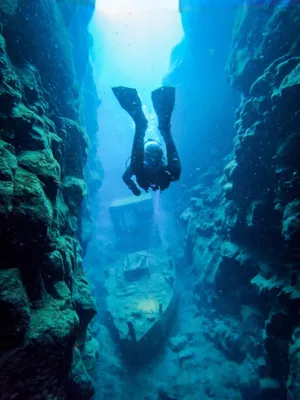
A boat has been placed at the bottom of the fissure, adding an eeriness to the dive spot.
Ocean dive
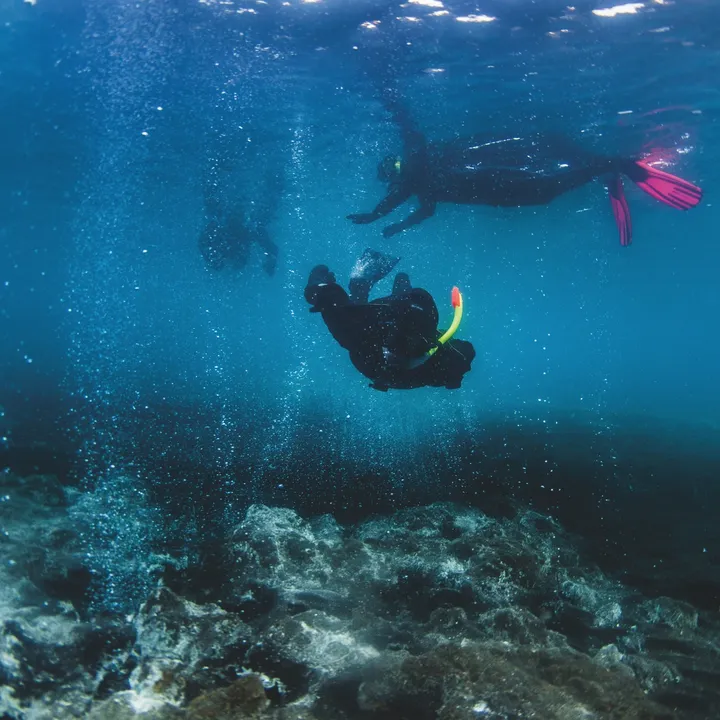
On the Ocean Diver Day Tour you will join the undersea inhabitants of the North Atlantic for a swim through Iceland’s cool coastal scene.
Our favorite local ocean dive site is Garður, which is a shore dive.
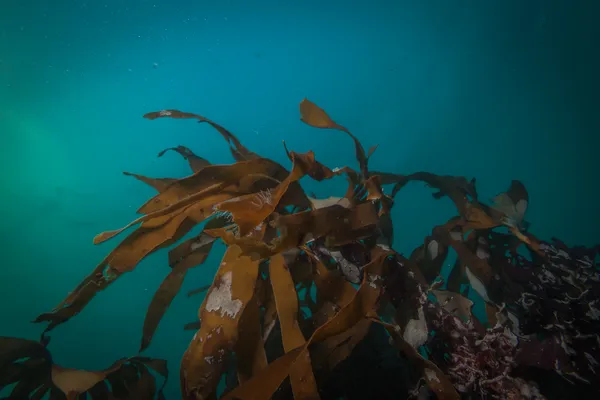
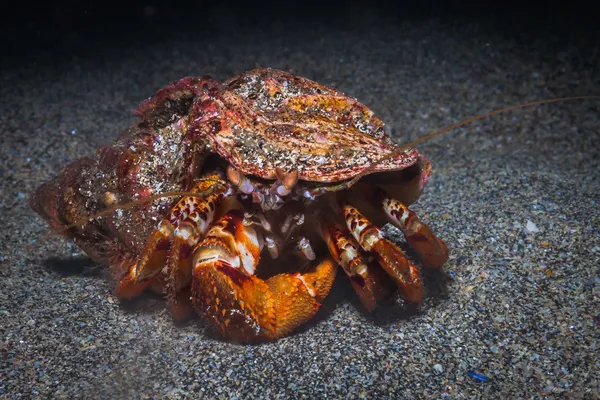
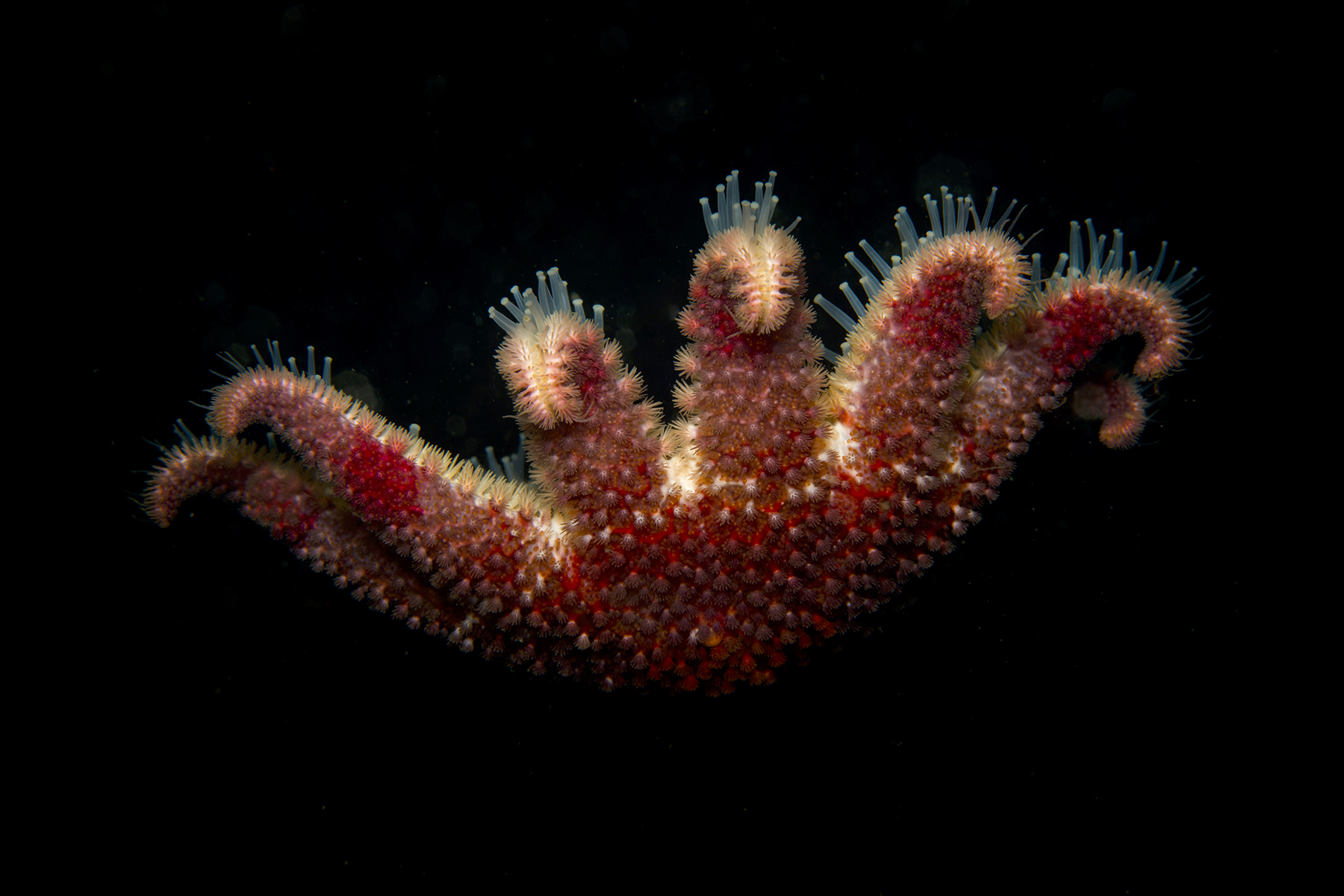
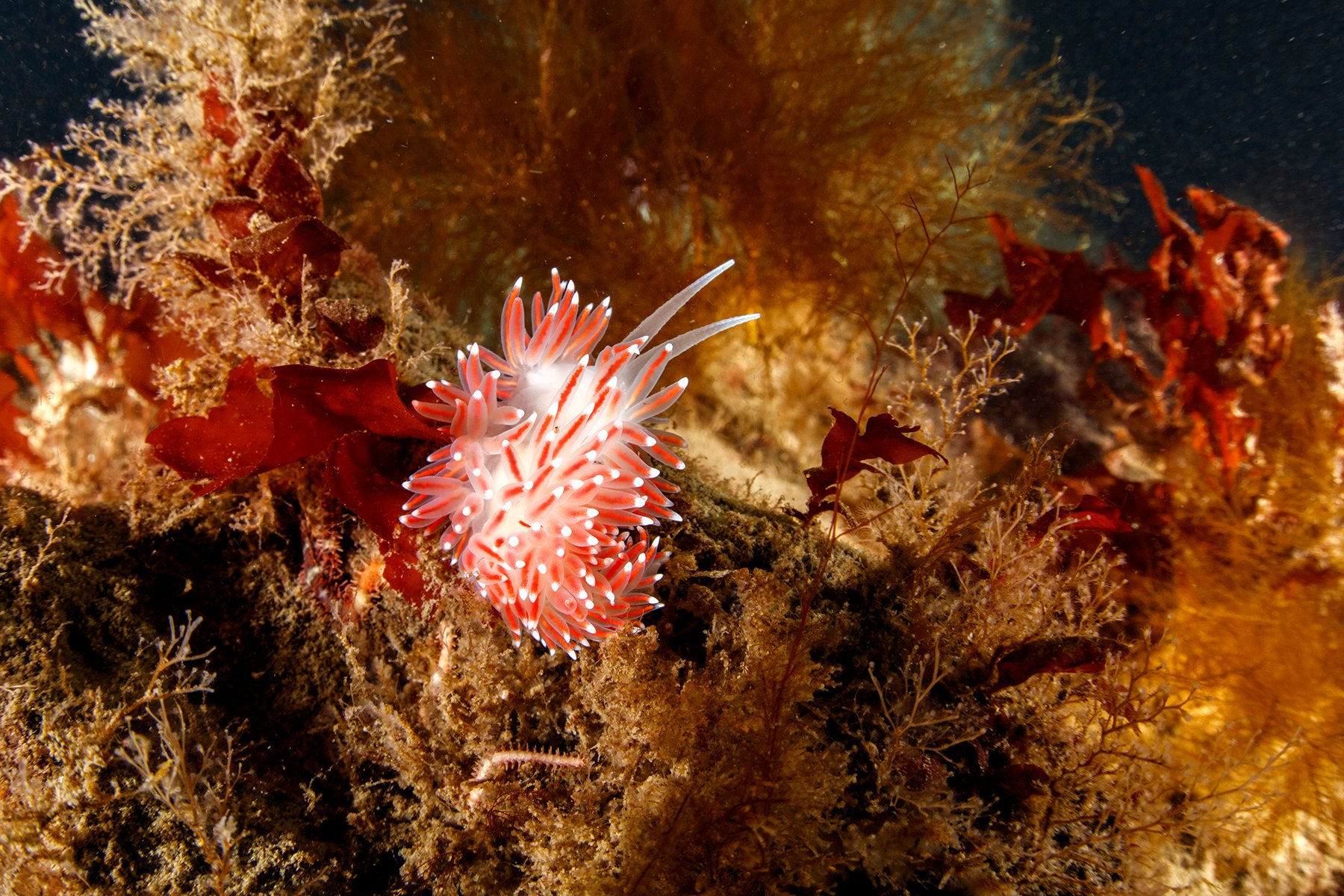
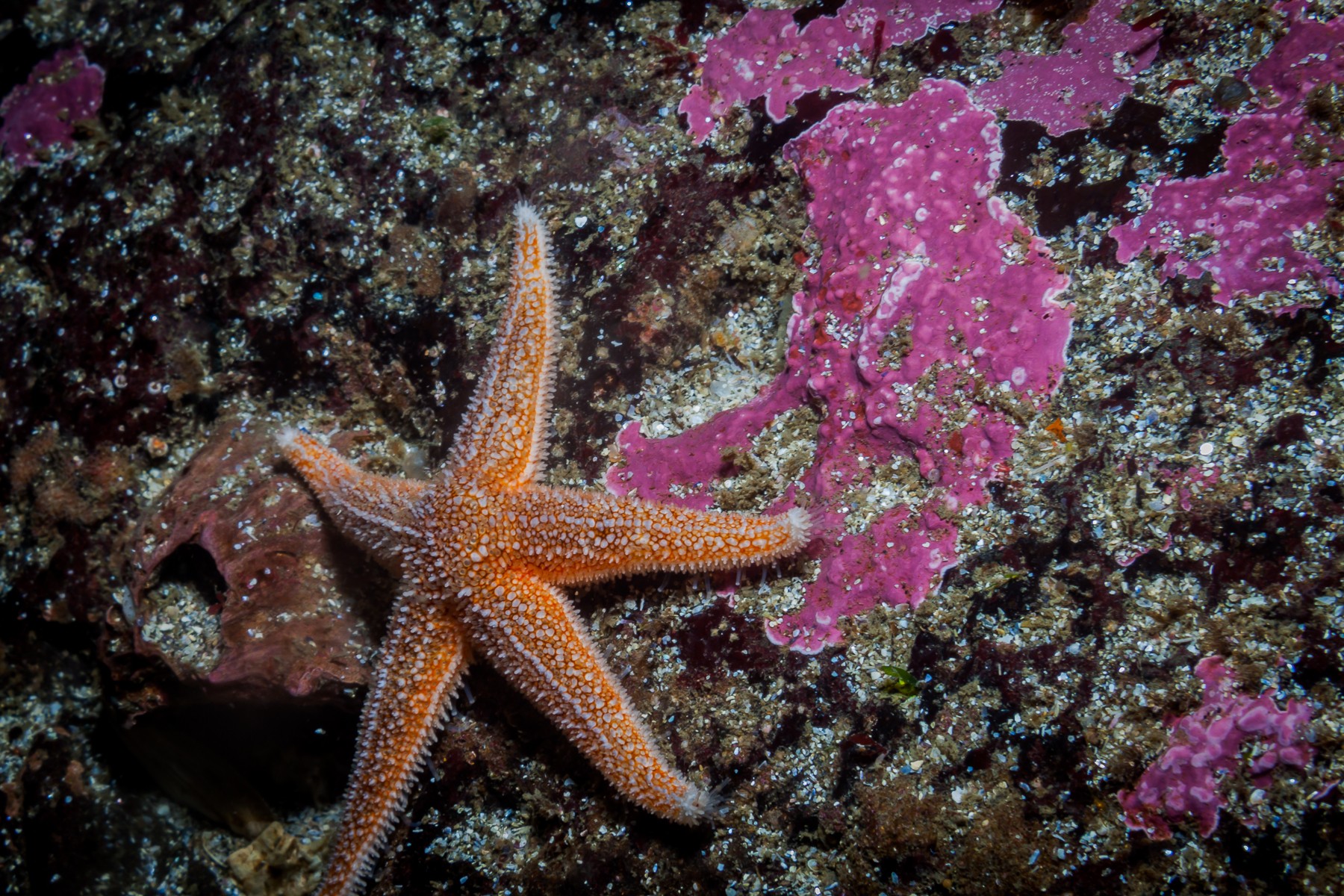
You will scuba dive in a kelp forest which offers a great habitat for a number of marine species, including lumpsuckers, nudibranches, and a wide variety of invertebrates. Colorful algae also flourish here off the coast of Iceland.
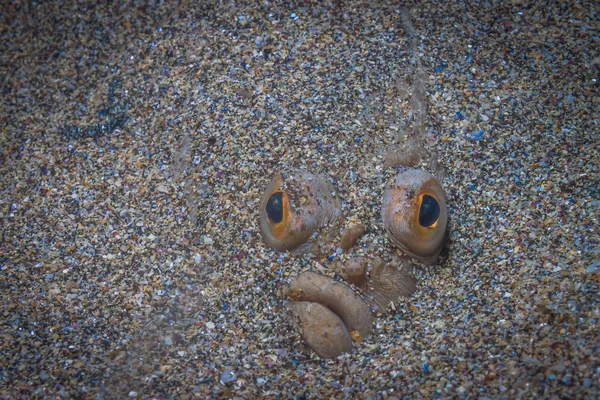
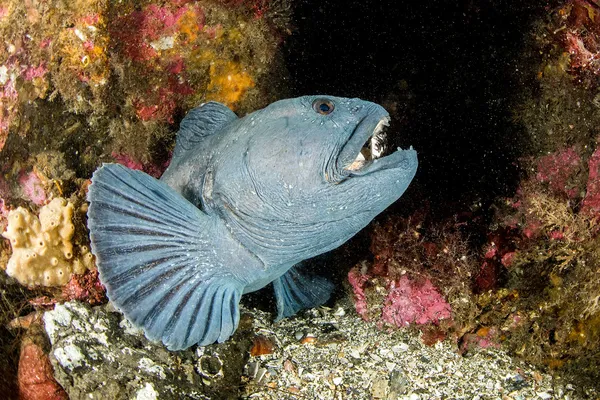
You will most likely notice pairs of eyes sticking out of the sandy patches of the ocean floor where the flounders live. Soft orange coral also intermittently decorates the sandy ocean floor. In the area of the kelp forests, a wolf fish might pay you an unexpected visit or stick its head out of a pile of rocks, looking a bit like a prehistoric creature.
Note that ocean dives in Iceland depend on the weather and it can happen that scheduled ocean dive trips have to be canceled due to unfortunate weather conditions.
If that is the case we usually have a plan B and can offer you other dive sites, such as Kleifarvatn, Davíðsgjá or Silfra that do not depend on the weather as much as the ocean.
All divers on this Private Diving Tour must have dry suit diving certification OR 10 logged dry suit dives within two years of the Silfra tour date. These 10 dives must be confirmed with written proof signed by a diving instructor.
The structure of your Diving Tour
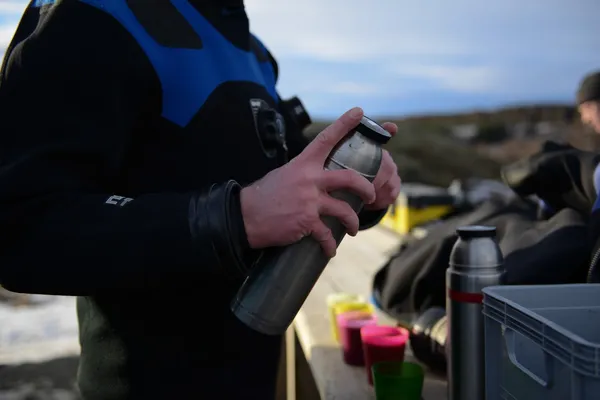
Our private tours include a private guide, the diving tours and all necessary equipment for diving as well as hot coco and cookies after the tour.
This Private Diving Day Tour includes 2 dives which will take about 30-40 minutes each, with a maximum depth of 18 meters.
If you have your own transportation, we will send you a meeting location in your booking confirmation. The meeting location depends on the tides that day.
If you choose the pick up option, your private guide will pick you up and drop you off at your location in Reykjavík. During the one-hour drive, your guide will provide you with background information about the unique geology and cultural history of Iceland.
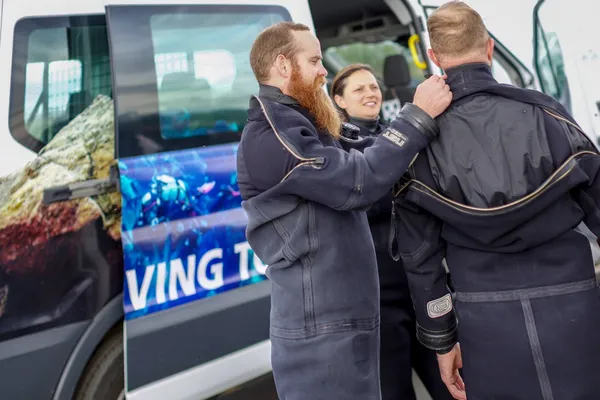
Your guide will give you a detailed briefing of each dive site and will then assist you in setting up our dive equipment. We use high quality BARE and Aqualung brand SCUBA equipment and APEX or Aqualung regulators.
After each tour, we will have hot coco and cookies.
After the second tour we drive back to Reykjavik. We recommend visiting the Blue Lagoon after your tour. If you have booked transportation, we can drop you off there and you can book transportation back to Reykjavik.
Our Souvenirs can be purchased in your booking process by selecting them under "Extras". If the Souvenir you are looking for is not listed below please contact us or leave a comment in your booking and we will bring it on tour with us.
Tour Details
-
Private guide
-
Available on request. Start times that fit your schedule, day or night
-
1 April - 30 September
-
Approx. 2.5 hours at each dive site, 8 hours if with transportation from Reykjavík
-
Pick up can be arranged for an extra fee
-
For up to 3 divers
-
Not looking for a private experience? Check out our Ocean and Bjarnagjá diving combo
Included
- Private guide
- 2 guided dives
- All necessary dive equipment
- A start time that fits your needs, avoiding the crowds
- Hot chocolate and cookies after the dives
- Photos from the tour
Please bring
- Your SCUBA dive certification card (PADI Open Diver Water or equivalent)
- Proof of dry suit diving certification OR written proof from a diving instructor of 10 logged dry suit dives within two years of tour date
- Long underwear
- Thick socks
- Suitable clothes for the weather of the day
This tour is in the area of the volcanic eruptions in Reykjanes peninsula. In case of volcanic activity in the area, we will dive at another dive site.


Safety requirements
Participants must:-
be a certified diver at the level of PADI Open Water Diver or equivalent
-
have dry suit diving certification and a logged dry suit dive within two years of the dive tour date OR have at least 10 logged dry suit dives within two years of the Silfra tour date and be able to provide written proof from a diving instructor of these dry suit dives PDF
-
have read, signed, and followed directions on the online Diving Medical Statement PDF
-
have our Diving Medical form signed off by a doctor if they are age 60 or older PDF
-
sign our liability release form at the start of the dive tour PDF
-
be at minimum 150cm / maximum 200cm
-
be at minimum 45kg / maximum 120kg
-
fit within our dry suit size chart PDF
-
be at least 17 years of age (signature of legal guardian required for under 18 year old participants)
-
be physically fit
-
be able to communicate in English
-
be ready to wear a sometimes tight & constricting dry suit
-
not be pregnant
-
eat well before the tour
Timeline of your tour
- (If you have booked a private tour with pick up you will first meet your driver at the selected pick-up location in Reykjavik)
- Arrival at the dive site at Bjarnagjá or Garður (which dive site depends on the tide)
- Briefing and gear-up with your guide (∼1 hour total)
- Once you are fully dressed, you will make your way to the entry point
- Weight check upon entering the water
- 30-45 minutes spent in the water
- Exit, take off equipment, enjoy hot chocolate and cookies to warm up
- At this point, you will have time to chat with your guide, ask any questions you might have and take a look at the pics taken during the tour
- Short drive to the next dive spot (∼20-30 minutes)
- Briefing and gear-up with your guide (∼1 hour total)
- Make your way to the entry point
- Weight check upon entering the water
- 30-45 minutes spent in the water
- Exit the water
- Take off equipment, enjoy hot chocolate and cookies to warm up
- At this point, you will have time to chat with your guide, ask any questions you might have and take a look at the pics taken during the tour
- (if you have booked a tour with pick up, your driver will drop you off at your location in Reykjavik)
Bookable extras
Experience the tour
Guides on this tour












You will dive here
Frequently asked questions
-
Are photos always taken on the Diving Day Tours?
-
Our dive guides always bring along an underwater camera on the dives at the breathtaking Silfra and other marvelous dive sites. During these dives, our dive guides strive to capture as many splendid underwater photographs as possible. However, the safety of our divers is our utmost priority, and there may be occasions when the dive guide chooses to focus solely on dive safety during challenging conditions or with less confident divers. In such cases, it is possible that only a few or no photos are taken. We sincerely appreciate your understanding should this be the situation.
Typically, the photos from the dives are available for purchase after your incredible dive tour. For more information, please visit our our Souvenir page.
-
-
How long are we in the water?
-
During our snorkel tour, you'll have the fantastic opportunity to explore the underwater world for approximately 30 to 45 minutes. The duration of the snorkeling session may vary depending on the group's pace and the amount of time they wish to spend exploring the beautiful lagoon at the end. So, get ready to dive in and enjoy every moment of this amazing adventure!
-
-
I forgot my certification card. Is there any way to look my certification up online?
-
If you are PADI or SSI certified, we can often look you up online. We need your full name (incl. middle name) and your birthdate, as it appears on your certification card before the tour starts. Please be aware that both PADI and SSI sometimes have glitches in their website/data input, which results in your records not being findable. If you are certified with any other organization, we are unfortunately unable to look you up. In either of these cases, you will not be able to participate. It is therefore best to always carry your dive cards or to sign up for PADI e-cards, which are stored on an App on your phone. If you have only recently certified, the temporary card that is emailed to you by your instructor is acceptable proof.
-
-
Should I bring my own gear or rent locally?
-
Most of our divers bring their own equipment, for reasons of familiarity, fit and comfort. However, we are happy to facilitate the rental of full sets of high-quality equipment for a very reasonable price. Keep in mind that anyone renting a dry suit accepts the possibility of leakage or discomfort owing to off-the-rack sizes not perfectly fitting each and every body shape. Note that anyone wishing to rent equipment needs to book it with the booking, or simply book it by email. All prices can be seen on each tour.
-
-
What is the weather in Iceland like?
-
During the summer months (June, July & August) it's sunny and warm(-ish) or overcast and wet, and often somewhere in between. The Icelandic weather famously changes at the drop of a woolly hat. So be prepared, bring your sun screen and shorts, as well as your all-weather gear. Even in the middle of summer the temperatures can get low (to below 10°C at night) so a good fleece - or better yet, Icelandic wool - will be essential, along with a hat and gloves.
-
-
What sets DIVE.IS apart from other companies?
-
First and foremost, we can safely say that we, by far, possess the most experience and expertise in conceiving and conducting dive tours and expeditions in Iceland. The company was founded by pioneers and field leaders in offering regular recreational dive tours in Iceland – since 1997 – and has, as such, set the standard for others to follow. The broad selection and diversity of dive tours and expeditions on offer ensures that everyone can find a diving adventure that suits their interests and passions, from the beginner to the seasoned explorer.
Through decades of careful research and scouting, we are able to conceive of itineraries and activities based on first-hand knowledge and experience to bring you the most unique opportunities and exciting nature encounters.
Last, but certainly not least, we place a high value on the human touch and social side of your travel experience. Therefore, we employ only the very best (and nicest) guides available. We hand-pick the most experienced and seasoned guides out of a sizeable pool of dive guides working locally (mostly for our affiliate company, DIVE.IS). Our extended tours and expeditions, in turn, are largely in the capable hands of our very own David Sigurthorsson (HYPERLINK), Iceland’s most experienced dive guide and expedition leader, whom many of you already know from your previous visits.
-
-
When is the best time of year to visit Iceland?
-
Every time of year has its own benefits. It is least crowded in spring and autumn and you will often have a full range of activities available to you, but with less people than in summer, which is of course the busiest season here in Iceland. Winter has its own beauty and should not be dismissed, although it is not for the faint hearted as the weather can get quite extreme, and you would need to be flexible with your plans as tours can end up getting cancelled due to the weather. It is however the time for Northern Lights, so pros and cons as always. Please also be aware that winter lasts much later into the year than in most countries and there is often still snow in March and April. From a dive and snorkel point of view, it makes little difference which of the seasons you visit as our groups are small and the dive sites, visibility and marine life are pretty constant through out, varying more from day to day, than from season to season. The ocean temperatures are warmest, however, in summer and fall – about 8-12°C. For our other dive sites, such as our geothermal site and some of our other inland sites, are also warmest in summer and fall, although at a lower temperature, 6-8°C. Silfra however retains a constant temperature of 2-4°C.
-
Show all FAQ